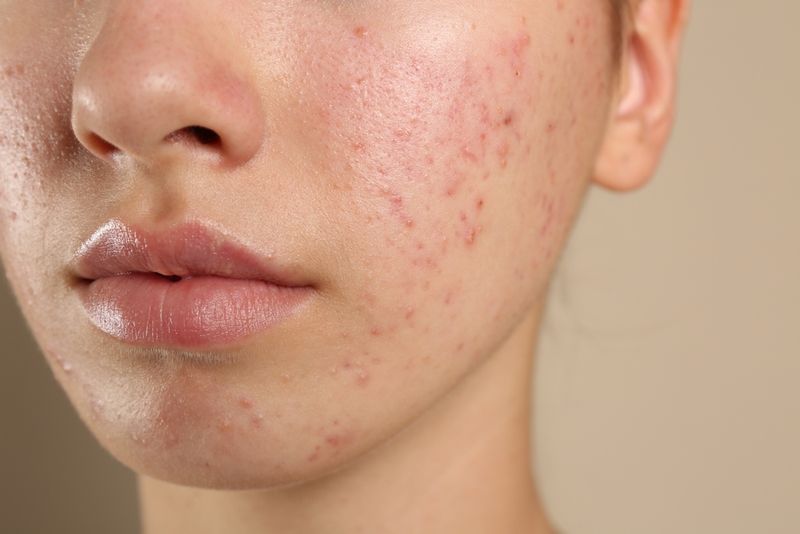

The search for effective acne treatment often begins at the pharmacy shelf, where countless creams, gels, and lotions promise clearer skin. This overwhelming selection reflects both the complexity of acne and the decades of research dedicated to developing targeted solutions. Topical treatments remain the foundation of acne care because they deliver active ingredients directly where breakouts occur, minimizing systemic exposure while maximizing therapeutic benefit.
Understanding which topical treatments actually work, how they target different aspects of acne formation, and when to progress from over-the-counter to prescription options can transform your approach to skincare. At Honeydew, we recognize that navigating these choices requires expert guidance. Our providers specialize in creating personalized treatment plans that leverage the most effective topical therapies, ensuring you achieve the results you deserve.
How Topical Treatments Target Acne
Effective topical acne treatments work by addressing one or more of the four primary factors in acne development. Each medication class targets specific aspects of this complex process.
When sebaceous glands produce excess oil, it mixes with dead skin cells to form plugs that block hair follicles. Topical treatments like retinoids normalize cell turnover, preventing these blockages from forming. Antimicrobial agents such as benzoyl peroxide eliminate Cutibacterium acnes bacteria that thrive in clogged pores, while anti-inflammatory medications reduce the redness and swelling that characterize inflammatory acne.
The most successful treatment plans often combine multiple topical agents that work synergistically. As research published by the National Institutes of Health demonstrates, combination therapies are significantly more effective than using a single medication.
Over-the-Counter Topical Options
For mild acne, over-the-counter treatments provide an accessible starting point. These medications have proven safety profiles that allow for use without medical supervision, though their effectiveness varies significantly based on formulation and proper application.
Benzoyl Peroxide: The Antimicrobial Powerhouse
Benzoyl peroxide remains one of the most effective over-the-counter treatments available. It works through a unique oxidative mechanism that kills acne-causing bacteria without promoting resistance. This distinction is crucial, as bacterial resistance renders many antibiotics ineffective over time.
Research demonstrates that lower concentrations (2.5%) work as effectively as higher strengths while causing less irritation. Starting with a water-based 2.5% formulation applied once daily allows your skin to adjust gradually. After several weeks, you can increase frequency or strength if needed.
The medication also helps clear existing comedones by breaking down the keratin that holds dead cells together. This dual action makes benzoyl peroxide particularly valuable for both inflammatory and non-inflammatory acne.
Adapalene: The OTC Retinoid
Adapalene represents a breakthrough in over-the-counter acne treatment as the only retinoid available without prescription. At 0.1% concentration, it normalizes skin cell differentiation and reduces inflammation through selective binding to retinoic acid receptors.
The medication excels at preventing microcomedone formation—the invisible precursors to visible acne. By addressing these earliest stages of acne development, adapalene provides both treatment and prevention. Many users experience an initial "purging" phase as existing microcomedones surface, but this typically resolves within 8-12 weeks of consistent use.
Adapalene demonstrates better tolerability than prescription retinoids, making it an excellent option for retinoid-naive patients or those with sensitive skin.
Salicylic Acid: The Pore Cleanser
As a beta-hydroxy acid, salicylic acid's oil-soluble nature allows deep penetration into sebaceous follicles. It works by dissolving the mixture of dead skin cells and oil that blocks follicles.
Available in concentrations from 0.5% to 2%, salicylic acid appears in cleansers, toners, and leave-on treatments. While gentler than benzoyl peroxide, it requires consistent use for optimal results. The medication works particularly well for blackheads and whiteheads but shows limited efficacy against inflammatory lesions.
Prescription Topical Treatments
When over-the-counter options prove insufficient, prescription topicals offer enhanced potency and novel mechanisms of action. These medications require professional oversight to ensure appropriate selection, proper use, and monitoring for adverse effects.
Prescription Retinoids
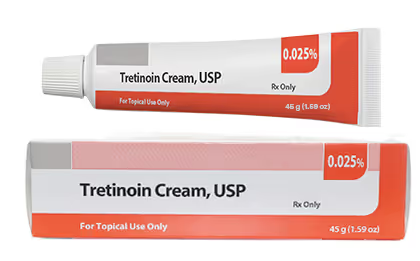
Tretinoin leads the prescription retinoid category as the most extensively studied topical acne medication. Unlike adapalene, tretinoin is pure retinoic acid, providing maximum receptor activation and therapeutic effect.
The medication accelerates epidermal turnover from the typical 28 days to 7-14 days, rapidly clearing existing comedones while preventing new ones. Tretinoin also stimulates dermal collagen production, improving acne scarring and photoaging—benefits not seen with over-the-counter options.
Starting tretinoin requires patience. Initial irritation, dryness, and peeling are common as skin adjusts to accelerated cell turnover. Beginning with lower concentrations (0.025%) applied every other night, then gradually increasing frequency and strength, minimizes these effects while building tolerance.
Tazarotene, another prescription retinoid, offers comparable efficacy but may cause more irritation. Some patients find tazarotene more effective for stubborn comedonal acne, though individual response varies.
Topical Antibiotics
Clindamycin dominates prescription topical antibiotic therapy for acne. It reduces P. acnes bacteria while providing anti-inflammatory benefits that calm existing breakouts.
However, antibiotic monotherapy is strongly discouraged due to resistance concerns. Combining clindamycin with benzoyl peroxide prevents resistance development while enhancing efficacy. Fixed-dose combination products simplify application and improve adherence.
Erythromycin offers an alternative for patients who cannot tolerate clindamycin, though resistance rates are higher. Like clindamycin, it should always be paired with benzoyl peroxide.
Azelaic Acid
Prescription-strength azelaic acid (15-20%) provides multiple benefits through distinct mechanisms. It normalizes keratinization, reduces P. acnes growth, and decreases inflammation markers.
The medication also inhibits tyrosinase, lightening post-inflammatory hyperpigmentation—a significant advantage for patients with darker skin tones who are prone to persistent dark marks. Azelaic acid's excellent safety profile makes it suitable during pregnancy and breastfeeding when many other treatments are contraindicated.
Innovative Prescription Options
Dapsone gel offers potent anti-inflammatory effects particularly beneficial for adult women with hormonal acne patterns. It reduces inflammatory lesion counts without contributing to antibiotic resistance.
Clascoterone represents the newest topical treatment, targeting androgen receptors in sebaceous glands to reduce oil production. This localized hormonal approach avoids systemic effects while addressing a fundamental acne trigger.
The Power of Combination Therapy
Modern dermatology recognizes that combination therapy produces superior outcomes compared to monotherapy. A comprehensive meta-analysis found that triple therapy combining a topical retinoid, benzoyl peroxide, and an antibiotic was among the most effective strategies for clearing acne.
Fixed-dose combinations like adapalene/benzoyl peroxide or clindamycin/tretinoin simplify regimens while ensuring proper ingredient ratios. These products reduce the complexity of multi-step routines, improving adherence and results.
Sequential therapy also proves effective. Applying benzoyl peroxide in the morning and tretinoin at night maximizes benefits while minimizing irritation. Your provider can design a regimen that balances efficacy with tolerability based on your skin's specific needs.
Custom Compounding: Personalized Topical Solutions
At Honeydew, we offer custom compounding to create truly personalized topical medications. This approach allows our providers to combine multiple active ingredients into a single formulation tailored to your specific acne pattern and skin sensitivity.
A custom compound might include tretinoin for comedonal acne, clindamycin for inflammatory lesions, and niacinamide to reduce irritation and improve skin barrier function—all in concentrations adjusted for your skin. This level of personalization is impossible with commercial products.
Custom compounding also enables unique delivery vehicles. We can create formulations in specific bases that enhance penetration for oily skin or provide extra moisture for sensitive skin. This customization often means the difference between tolerating treatment and discontinuing due to side effects.
Application Techniques for Maximum Effectiveness
Proper application technique significantly impacts treatment success. Understanding how to apply topical medications correctly ensures optimal absorption while minimizing irritation.
Start with clean, dry skin. Washing your face and waiting 20-30 minutes before applying medication reduces irritation potential. Use a pea-sized amount for the entire face—more product doesn't accelerate results but does increase side effects.
Apply medications in a thin, even layer to all acne-prone areas, not just visible lesions. Acne medications work preventatively, stopping new breakouts before they surface. Spot-treating existing pimples misses this crucial preventive action.
Layer products from thinnest to thickest consistency when using multiple topicals. Water-based serums go first, followed by gels, lotions, then creams. Allow each layer to absorb before applying the next.
Managing Side Effects and Building Tolerance
Most topical acne medications cause some degree of dryness, irritation, or peeling, especially during initial use. These effects typically diminish as skin adapts, but proper management ensures you can continue treatment.
Start slowly with new medications. Apply every other night for the first week, then gradually increase frequency as tolerated. This approach builds tolerance while minimizing the severity of adjustment symptoms.
Use a gentle, non-comedogenic moisturizer to combat dryness without clogging pores. Apply moisturizer after topical medications have absorbed to maintain skin barrier function.
Sunscreen becomes essential when using many topical acne treatments, particularly retinoids and benzoyl peroxide. Daily broad-spectrum SPF 30 or higher prevents photosensitivity reactions and protects newly revealed skin.
When to Progress Beyond Topical Treatments
While topical treatments effectively manage many cases of acne, certain situations require systemic therapy. Recognizing when topicals alone are insufficient ensures timely treatment escalation.
If you've used prescription topical treatments consistently for three months without significant improvement, oral medications may be necessary. Widespread acne covering large body areas also responds better to systemic treatment than extensive topical application.
Deep, painful nodules and cysts rarely respond adequately to topical therapy alone. These lesions require oral medications like doxycycline for inflammation or Accutane for comprehensive treatment.
Scarring indicates the need for more aggressive therapy. Once scars form, they're challenging to treat, making prevention through appropriate systemic medication crucial.
Special Considerations for Different Skin Types
Skin type significantly influences topical treatment selection and application strategies. What works for oily skin may prove too harsh for dry, sensitive skin.
Oily skin typically tolerates stronger formulations and alcohol-based vehicles that provide a matte finish. Gel formulations of retinoids and benzoyl peroxide work well without adding excess moisture.
Dry or sensitive skin benefits from cream-based formulations and lower medication concentrations. The "sandwich method"—applying moisturizer before and after medication—helps minimize irritation while maintaining efficacy.
Darker skin tones require special attention to prevent post-inflammatory hyperpigmentation. Lower-strength retinoids, azelaic acid, and careful sun protection help minimize this risk while effectively treating acne.
The Future of Topical Acne Treatment
Emerging technologies promise to revolutionize topical acne therapy. Novel delivery systems like microspheres and liposomes enhance drug penetration while reducing irritation. Time-release formulations maintain therapeutic levels throughout the day from a single application.
New active ingredients continue to emerge. Trifarotene, a fourth-generation retinoid, selectively targets specific retinoic acid receptors for enhanced efficacy with reduced side effects. Nitric oxide-releasing compounds show promise for their antimicrobial and anti-inflammatory properties.
Microbiome-based treatments represent an entirely new approach, using beneficial bacteria or their metabolites to restore skin balance and prevent acne. While still investigational, these treatments may offer solutions for antibiotic-resistant cases.
Building Your Optimal Topical Regimen
Creating an effective topical acne regimen requires systematic evaluation and adjustment. Start with one or two products, introducing them gradually to assess tolerance and efficacy.
For mild acne, begin with over-the-counter benzoyl peroxide or adapalene. If improvement plateaus after 8-12 weeks, adding the other agent often provides additional benefit.
Moderate acne typically requires prescription intervention. A retinoid forms the foundation, with antimicrobials or anti-inflammatory agents added based on lesion type. Your provider can determine the optimal combination.
Severe or resistant acne may need topical treatments combined with oral medications. Even when taking systemic therapy, maintaining a topical regimen enhances results and may allow for lower oral medication doses.
Your Partner in Topical Acne Treatment
At Honeydew, we understand that finding the right topical treatment combination requires expertise, patience, and ongoing support. Our providers excel at creating personalized topical regimens that address your specific acne pattern while respecting your skin's unique characteristics.
We offer comprehensive options from prescription-strength tretinoin and clindamycin to innovative custom-compounded formulations. Our providers manage your treatment entirely online, adjusting medications based on your progress and tolerance to ensure optimal results.
When topical treatments alone prove insufficient, we seamlessly integrate oral medications like spironolactone for hormonal acne or low-dose Accutane for persistent cases. This comprehensive approach ensures you receive the most appropriate treatment at every stage.
Clear skin is achievable with the right topical treatment strategy. Let our expert providers guide you toward the combination that finally delivers the results you deserve.