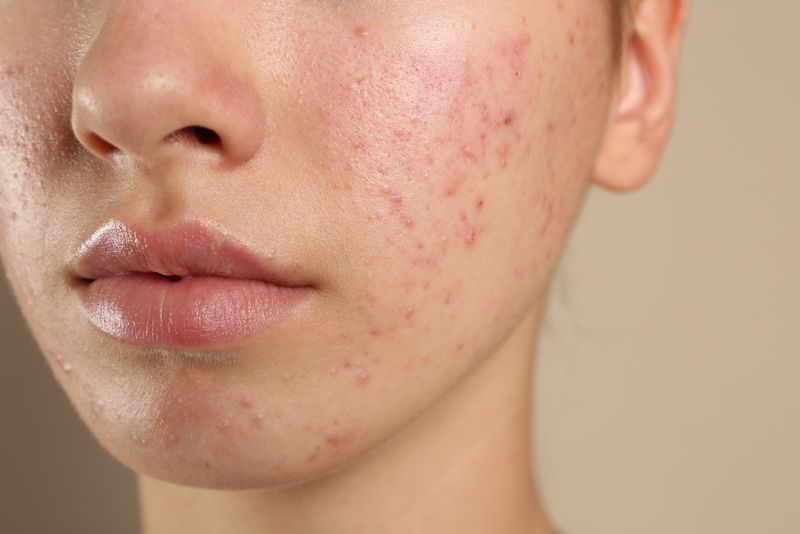

Acne affects nearly 85% of people at some point in their lives, making it one of the most common skin conditions worldwide. Whether you're dealing with occasional breakouts or persistent blemishes, understanding how to effectively treat acne can transform not just your skin, but your confidence and quality of life.
At Honeydew, we understand that navigating acne treatment options can feel overwhelming. With countless products promising miraculous results, finding what actually works for your specific skin requires expert guidance. Our providers specialize in creating personalized treatment plans that address the root causes of acne, not just surface symptoms.
Understanding the Four Pillars of Acne Development
Effective acne treatment starts with understanding what causes breakouts in the first place. Acne develops through four interconnected processes that work together to create the perfect storm for blemishes.
First, your sebaceous glands produce sebum, a natural oil that keeps skin moisturized. When hormones trigger excess sebum production, pores become overwhelmed. This excess oil mixes with dead skin cells that should naturally shed from the skin's surface.
In acne-prone skin, dead skin cells don't shed properly. Instead, they accumulate and combine with sebum to form plugs that block hair follicles. These blocked follicles create an oxygen-free environment where Cutibacterium acnes (P. acnes) bacteria thrive.
As bacteria multiply, your immune system responds with inflammation, leading to the redness, swelling, and pain associated with inflammatory acne lesions.
Starting with Over-the-Counter Treatments
For mild acne, over-the-counter treatments can provide effective results when used consistently. These products target different aspects of acne formation and can often be combined for enhanced effectiveness.
Benzoyl Peroxide: The Antibacterial Powerhouse
Benzoyl peroxide remains one of the most effective OTC treatments available. It kills P. acnes bacteria without causing antibiotic resistance, making it a reliable long-term option. Studies show that 2.5% formulations work as well as higher concentrations with less irritation.
When starting benzoyl peroxide, apply it once daily to clean, dry skin. After your skin adjusts over several weeks, you can increase to twice-daily application if needed.
Salicylic Acid: The Pore Cleanser
Salicylic acid, a beta-hydroxy acid, penetrates deep into pores to dissolve the mixture of dead skin cells and sebum that causes blockages. It works particularly well for blackheads and whiteheads.
Available in cleansers, toners, and spot treatments, salicylic acid is gentler than benzoyl peroxide, making it suitable for sensitive skin types.
Adapalene: The OTC Retinoid
Adapalene, available over-the-counter as a 0.1% gel, normalizes skin cell turnover to prevent pore blockages. As a retinoid, it also possesses anti-inflammatory properties that help calm existing breakouts.
Some users experience initial dryness or a temporary worsening of acne called "purging," which typically resolves with continued use.
Prescription Topical Treatments: The Next Level
When OTC options prove insufficient, prescription topical medications offer more powerful solutions. These treatments require professional oversight but can dramatically improve stubborn acne.
Prescription Retinoids
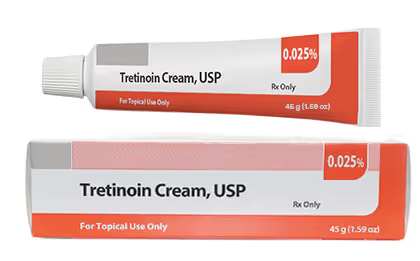
Tretinoin leads the prescription retinoid category. This vitamin A derivative accelerates cell turnover, prevents clogged pores, reduces inflammation, and can even improve acne scarring over time.
Starting tretinoin requires patience. Initial irritation is common, but most people see significant improvement within three months of consistent use.
Topical Antibiotics
Clindamycin is the most commonly prescribed topical antibiotic for acne. It reduces P. acnes bacteria and decreases inflammation.
To prevent antibiotic resistance, topical antibiotics are almost always prescribed alongside benzoyl peroxide or a retinoid.
Custom Compounded Medications
At Honeydew, we offer custom compounding to create personalized topical medications. These formulations can combine multiple active ingredients—such as tretinoin, clindamycin, and niacinamide—in a single product tailored to your specific needs.
This approach simplifies your routine while maximizing effectiveness and minimizing irritation.
Oral Medications for Systemic Treatment
When acne is widespread, severe, or unresponsive to topical treatments, oral medications address the condition from within.
Oral Antibiotics
Doxycycline is typically the first-choice oral antibiotic for inflammatory acne. It reduces P. acnes bacteria and has powerful anti-inflammatory effects.
To minimize antibiotic resistance, these medications are prescribed for the shortest effective duration and combined with topical treatments. Duricef provides an alternative for those who cannot tolerate tetracycline antibiotics like Doxycycline.
Hormonal Treatments
For women whose acne is driven by hormonal fluctuations, spironolactone can be transformative. This medication blocks androgen receptors in oil glands, reducing sebum production.
Spironolactone typically starts at a low dose and gradually increases based on response and tolerance. Most patients see improvement within three to six months.
Isotretinoin: The Most Powerful Option
Isotretinoin, found in brands like Accutane and Absorica, is the most effective acne treatment available. It's appropriate for any type of acne, especially persistent acne that hasn't responded to other treatments.
This oral retinoid works by dramatically reducing sebum production, normalizing skin cell turnover, decreasing P. acnes bacteria, and providing potent anti-inflammatory effects. Studies show that sebum production decreases by 90%, and it's the only treatment that addresses all four causes of acne simultaneously.
At Honeydew, we specialize in personalized isotretinoin protocols, including innovative low-dose Accutane regimens that minimize side effects while delivering excellent results.
Building Your Personalized Treatment Plan
The most effective acne treatment isn't a single product—it's a comprehensive approach tailored to your unique skin.
Start with the Basics
Every acne treatment plan should begin with a gentle cleanser, appropriate moisturizer, and daily sunscreen. These foundational products support your skin barrier while active treatments do their work.
Layer Treatments Strategically
Combining treatments that target different aspects of acne formation often yields the best results. For example, using a retinoid to normalize cell turnover while using benzoyl peroxide to kill bacteria addresses multiple causes simultaneously.
Be Patient and Consistent
Most acne treatments require at least 6-12 weeks to show significant improvement. Switching products too quickly or using them inconsistently undermines their effectiveness.
Adjust as Needed
Your skin's needs change over time. What works during a severe breakout might be too harsh once your acne improves. Regular check-ins with your provider ensure your treatment evolves with your skin.
When to Seek Professional Help
While mild acne often responds to over-the-counter treatments, certain situations warrant professional intervention.
Seek dermatological care if your acne hasn't improved after three months of consistent OTC treatment, if you're developing scars or dark spots, if your breakouts are painful or cystic, or if acne is significantly impacting your emotional well-being.
A dermatology provider can accurately diagnose your acne type, identify contributing factors, and prescribe treatments unavailable over the counter.
Special Considerations for Different Skin Types
Sensitive Skin
Those with sensitive skin should introduce new treatments gradually. Start with lower concentrations, apply products every other day initially, and always follow with a gentle moisturizer.
Dry Skin
Acne treatments can exacerbate dryness. Choose cream-based formulations over gels, layer hydrating serums under moisturizer, and consider using treatments less frequently.
Oily Skin
While it might seem counterintuitive, oily skin still needs moisture. Use lightweight, gel-based moisturizers and avoid over-cleansing, which can trigger increased oil production.
The Role of Lifestyle in Acne Management
While medical treatments form the foundation of acne care, lifestyle factors can influence treatment success.
Maintain a consistent skincare routine, remove makeup before bed, change pillowcases regularly, and avoid picking or squeezing blemishes. While diet's role in acne remains debated, some people find reducing dairy and high-glycemic foods helpful.
Stress management through exercise, adequate sleep, and relaxation techniques can also support clearer skin by regulating hormones that influence oil production.
Understanding Treatment Timelines
Setting realistic expectations helps maintain motivation during treatment. Most topical treatments show initial improvement within 4-6 weeks, with continued improvement over 3-6 months.
Oral antibiotics typically work within 6-12 weeks, while hormonal treatments like spironolactone may take 3-6 months for full effect.
Isotretinoin courses usually last 4-6 months, with improvement beginning within the first month and continuing after treatment ends. During the first couple months, some patients report worsening symptoms, also known as “the purge”. Note that this is perfectly normal and means that the medication is working.
Preventing Future Breakouts
Once your acne clears, maintenance therapy prevents recurrence. This might include continued use of a retinoid, regular benzoyl peroxide application, or long-term low-dose oral medication.
Your maintenance plan should be as personalized as your initial treatment, balancing effectiveness with tolerability for long-term success.
Your Partner in Clear Skin: Honeydew
At Honeydew, we believe everyone deserves access to effective, personalized acne treatment. Our providers offer the most advanced treatments available, from prescription topicals to innovative protocols that maximize results while minimizing side effects.
We manage your entire treatment journey online, with regular check-ins to monitor progress and adjust your plan as needed. Whether you're just starting your acne treatment journey or seeking better results than current treatments provide, we're here to help.
Our comprehensive approach includes access to all FDA-approved acne medications, custom-compounded formulations tailored to your needs, and ongoing support from dedicated dermatology providers. We can prescribe everything from tretinoin and clindamycin to spironolactone and low-dose Accutane.
Clear skin isn't just about appearance—it's about feeling confident and comfortable in your own skin. With the right treatment plan and expert guidance, lasting acne relief is achievable. Learn more about how Honeydew can help you achieve the clear, healthy skin you deserve.