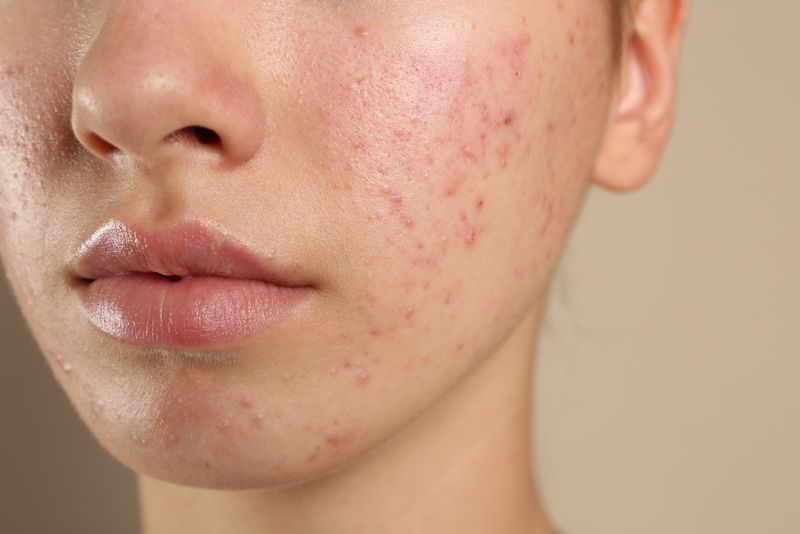

For countless women, the journey through acne treatments feels like an endless cycle of hope and disappointment. Topical treatments dry the surface while deep cysts persist. Antibiotics provide temporary relief before acne returns. Birth control helps some but not others. Through this frustrating process, many women discover their acne has a hormonal component that traditional treatments simply cannot address effectively.
Enter spironolactone—a medication that targets hormonal acne at its source by blocking the effects of androgens on oil glands. At Honeydew, we've seen spironolactone transform the skin and confidence of women who had given up hope after years of unsuccessful treatments. Our providers specialize in optimizing hormonal therapy to deliver the clear skin you've been seeking.
Understanding Spironolactone: From Blood Pressure to Breakouts
Spironolactone is a prescription medication originally developed in 1959 as a potassium-sparing diuretic to treat high blood pressure and fluid retention. The medication is used to treat various conditions including heart failure, hyperaldosteronism, and edema.
Dermatologists discovered spironolactone's acne-fighting properties through clinical observation. Women taking it for other conditions reported unexpected skin improvement. This led to decades of research confirming its effectiveness for hormonal acne, though it remains an "off-label" use—meaning the FDA hasn't specifically approved it for acne treatment despite extensive evidence of efficacy.
Today, spironolactone represents one of the most effective treatments for adult female acne, particularly for women whose breakouts resist conventional therapies.
The Science: How Spironolactone Clears Hormonal Acne
Spironolactone works by minimizing the impact of testosterone and other androgens—hormones that everyone produces regardless of gender. In the skin, androgens bind to receptors in sebaceous glands, triggering increased oil production.
As an anti-androgen, spironolactone competitively blocks these receptors, preventing hormones from stimulating excess sebum production. Without this hormonal trigger, oil glands produce normal amounts of sebum rather than the excess that clogs pores and feeds acne-causing bacteria.
The medication also has mild anti-inflammatory properties that help calm existing breakouts. This dual action—reducing oil production while decreasing inflammation—makes spironolactone particularly effective for the deep, painful cysts characteristic of hormonal acne.
Importantly, spironolactone doesn't eliminate androgens from your system. Instead, it selectively blocks their effects on specific tissues like sebaceous glands, maintaining hormonal balance while preventing acne-triggering activity.
Who Benefits Most from Spironolactone
Spironolactone is almost exclusively prescribed to women due to its anti-androgenic effects, which can cause unwanted side effects in men such as breast development.
Ideal Candidates
Women with specific acne patterns typically respond best to spironolactone. Those who break out along the jawline, lower face, and neck—areas with high androgen receptor density—often see dramatic improvement.
The medication works particularly well for adult-onset acne or persistent acne continuing from adolescence. Women who notice breakouts worsen before menstrual periods or during times of stress often have the hormonal component that spironolactone addresses.
Those with polycystic ovary syndrome (PCOS) frequently benefit, as the condition involves elevated androgen levels. Spironolactone can improve both acne and other PCOS symptoms like excess hair growth.
When Spironolactone Shines
Spironolactone excels in situations where other treatments have failed. When oral antibiotics aren't helping, spironolactone can effectively treat deep-seated, tender acne on the lower face that resists conventional therapy.
Women who cannot or prefer not to take isotretinoin find spironolactone an excellent alternative. While it may not match Accutane's power for severe cystic acne, it offers a well-tolerated option for long-term management without isotretinoin's intensive monitoring requirements.
The medication also suits women seeking to avoid antibiotic resistance from long-term antibiotic use. Unlike antibiotics that lose effectiveness over time, spironolactone can be used indefinitely without resistance concerns.
Starting Spironolactone: What to Expect
Beginning spironolactone requires proper evaluation and monitoring to ensure safe, effective treatment.
Initial Assessment
Your first step involves consulting with a dermatology provider who will evaluate your acne pattern, medical history, and current medications. Blood pressure and potassium levels may be checked before starting, as spironolactone can affect both.
Women of childbearing age must use reliable contraception, as spironolactone can cause birth defects if taken during pregnancy. Many providers recommend combining spironolactone with hormonal birth control, which can enhance acne improvement while providing pregnancy prevention.
Dosing Strategy
Common dosages range between 50 to 200 mg daily. Most providers start at 25-50mg daily to minimize side effects, gradually increasing every few weeks based on response and tolerance.
Spironolactone requires gradual dose increases, with check-ins every 4-6 weeks initially. This careful titration helps achieve optimal results while minimizing side effects.
Some women see improvement at lower doses (50-75mg), while others need 100-150mg or more for adequate control. The goal is finding the lowest effective dose that maintains clear skin.
Timeline for Results
Patience is essential with spironolactone. Most women notice decreased oiliness and breakouts within a few weeks, but significant improvement typically takes 3-6 months.
Some women experience temporary worsening during the first month as hormone levels adjust. This initial flare usually resolves with continued treatment. By month three, most patients see substantial improvement, with continued progress through month six and beyond.
Taking spironolactone at the same time daily provides best results. Consistency helps maintain stable hormone blocking throughout the day.
Managing Side Effects
While generally well-tolerated, spironolactone can cause side effects that require management.
Common Side Effects
The most common side effects involve menstrual changes. Women may experience irregular periods, spotting between periods, or breast tenderness. These effects often improve after 2-3 months as the body adjusts.
Increased urination is expected given spironolactone's diuretic properties. Taking the medication earlier in the day prevents nighttime bathroom trips. Staying well-hydrated helps manage this effect.
Some women experience fatigue, headaches, or dizziness, particularly when starting or increasing doses. These symptoms typically resolve with time or dose adjustment.
Serious Considerations
Hyperkalemia (elevated potassium) represents the most serious potential risk. While rare in healthy young women, monitoring may be recommended for those with kidney problems or taking other medications affecting potassium.
Blood pressure changes can occur, though usually mild. Women with already-low blood pressure may need closer monitoring or dose adjustments.
Weight gain is not listed as a side effect, despite common concerns. Any weight changes are likely due to other factors rather than the medication itself.
Combining Spironolactone with Other Treatments
Spironolactone works excellently alone but often performs even better in combination with other acne treatments.
Topical Companions
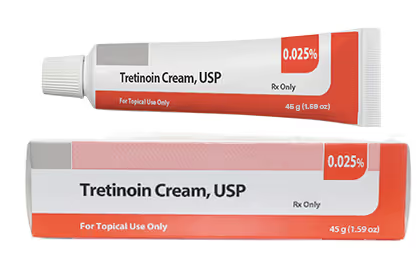
Tretinoin pairs perfectly with spironolactone. While spironolactone reduces oil production, tretinoin normalizes skin cell turnover and prevents pore clogging. This combination addresses multiple acne causes simultaneously.
Topical antibiotics like clindamycin can help during the initial months while waiting for spironolactone to reach full effect. They provide immediate antibacterial and anti-inflammatory action.
Custom-compounded formulations can combine multiple topical ingredients tailored to support spironolactone therapy, addressing specific concerns like post-inflammatory hyperpigmentation or sensitivity.
Long-Term Use and Maintenance
Unlike antibiotics that require limited duration, spironolactone can be used long-term safely with appropriate monitoring.
Ongoing Management
Many women continue spironolactone for years to maintain clear skin. The medication doesn't cure hormonal acne but effectively manages it. Stopping treatment often leads to acne returning within a few months as hormonal triggers resume.
Some women successfully taper to lower maintenance doses once achieving clear skin. Others find they need to maintain their clearing dose to prevent breakouts. Individual response varies significantly.
Annual monitoring typically includes blood pressure checks and possibly potassium levels, though extensive testing isn't usually necessary for healthy women.
When Spironolactone Isn't Enough
While highly effective for hormonal acne, spironolactone has limitations. Some women don't respond adequately even at maximum doses, or side effects prevent reaching therapeutic levels.
Treatment Escalation
For insufficient response, providers might add oral antibiotics temporarily, increase topical therapy intensity, or consider alternative hormonal approaches.
When hormonal treatments do not work, we typically recommend Accutane. Isotretinoin addresses all acne causes comprehensively and may provide lasting remission that spironolactone cannot achieve.
Low-dose Accutane protocols offer a middle ground, providing isotretinoin's benefits with reduced side effects for women who need more than spironolactone but want to minimize treatment intensity.
Special Considerations
Certain situations require special attention when using spironolactone for acne.
PCOS and Spironolactone
Women with PCOS often see exceptional results with spironolactone. The medication addresses elevated androgens central to PCOS, improving both skin and other symptoms like hirsutism.
Higher doses (150-200mg) may be needed for PCOS-related acne. Combining with metformin for insulin resistance can enhance overall PCOS management.
Transitioning from Other Treatments
When switching from antibiotics to spironolactone, overlap treatments for 1-2 months prevents flaring during the transition. Gradually taper antibiotics as spironolactone takes effect.
Women completing Accutane who experience acne recurrence often find spironolactone effective for maintenance, preventing the need for repeated isotretinoin courses.
Age Considerations
Adult-onset acne often responds exceptionally well to spironolactone. Women developing acne in their 20s, 30s, or later frequently have the hormonal component that spironolactone addresses.
Perimenopausal women may need dose adjustments as hormone levels fluctuate. Some find they can discontinue spironolactone after menopause as androgen levels naturally decline.
Success Strategies
Maximizing spironolactone's effectiveness requires commitment and proper approach.
Take medication at the same time daily for consistent hormone blocking. Morning dosing prevents nighttime urination. If taking twice daily, space doses evenly.
Stay well-hydrated to manage diuretic effects and support overall skin health. Monitor dietary potassium if advised by your provider, though restrictions are rarely necessary for healthy women.
Maintain realistic expectations about timeline and results. Document progress with photos to objectively assess improvement over months.
Combine with appropriate skincare supporting spironolactone's effects—gentle cleansing, non-comedogenic moisturizer, and daily sunscreen.
Your Partner in Hormonal Acne Treatment
At Honeydew, we specialize in optimizing spironolactone therapy for hormonal acne. Our providers understand the nuances of hormonal treatment and create personalized plans addressing your specific needs.
We manage your entire treatment journey online, from initial consultation through dose optimization and long-term maintenance. Our platform provides convenient access to prescription refills, dose adjustments, and ongoing support without office visit hassles.
Beyond spironolactone, we offer comprehensive acne treatment including tretinoin, clindamycin, and when needed, Accutane or low-dose protocols. Our custom compounding creates personalized topicals perfectly complementing hormonal therapy.
If you're tired of acne treatments that don't address your hormonal breakouts, spironolactone might be the solution you've been seeking. Let our expert providers help you determine if this powerful hormonal therapy can finally deliver the clear skin you deserve.