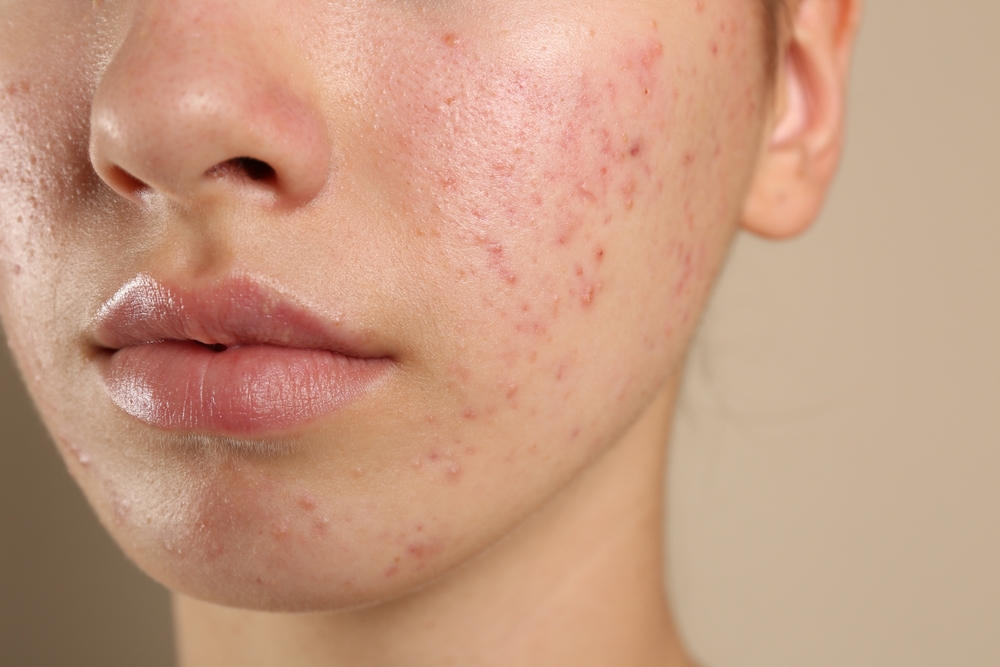

Acne affects millions of people, and finding the right acne medication can feel overwhelming. With countless products lining pharmacy shelves and a range of prescription options available, it's difficult to know where to start. The truth is that acne medications work through different mechanisms, by reducing oil production, unclogging pores, killing bacteria, or decreasing inflammation. Moreover, what works for one person may not work for another.
At Honeydew, we believe that understanding your options is the first step toward achieving clear skin. This guide explains the most effective acne medications available, both over-the-counter and prescription, so you can make informed decisions about your treatment. Whether you're dealing with occasional breakouts or persistent acne that hasn't responded to previous treatments, effective options exist.
Over-the-Counter Acne Medications
For mild to moderate acne, over-the-counter medications are often an excellent starting point. These treatments are accessible, affordable, and effective for many people when used consistently.
Benzoyl Peroxide
Benzoyl peroxide is one of the most effective and well-studied acne medications available without a prescription. It works by killing the bacteria that cause acne, removing excess oil from the skin, and helping to clear away dead skin cells. Benzoyl peroxide is available in strengths from 2.5% to 10%.
Studies show that lower strength benzoyl peroxide products (2.5%) are as effective as higher strength preparations but with fewer side effects. If you're starting with benzoyl peroxide, consider beginning with a 2.5% water-based product to minimize skin irritation, dryness, and redness. You can always increase the strength if needed.
Adapalene
Adapalene is a retinoid that became available over-the-counter in recent years. It works by unclogging pores and preventing new breakouts. Adapalene gel is available without a prescription at a strength of 0.1%. As a retinoid, adapalene normalizes skin cell turnover, preventing dead cells from accumulating and clogging follicles. It's particularly effective for blackheads and whiteheads and has anti-inflammatory properties.
Some studies show that benzoyl peroxide and adapalene are more effective when combined. If you're using both, you might apply one in the morning and the other in the evening to prevent excessive irritation.
Salicylic Acid
Salicylic acid helps unclog pores and prevent new breakouts by dissolving the mixture of dead skin cells and oil that blocks follicles. It's available in strengths from 0.5% to 2% in both leave-on and wash-off products. Salicylic acid is generally gentler than benzoyl peroxide and works well for mild acne characterized by blackheads and whiteheads.
Azelaic Acid
Azelaic acid, a naturally occurring acid with antibacterial properties, is available over-the-counter at 10% strength. It helps prevent pores from becoming plugged and has the added benefit of correcting dark spots that can linger after acne clears. This makes it particularly useful if you're dealing with both active breakouts and post-inflammatory hyperpigmentation.
Making OTC Treatments Work
If you're not sure which acne product to buy, start with one that contains benzoyl peroxide, adapalene, or both. These ingredients are effective and usually well tolerated. Begin with lower strength products to minimize irritation, and if needed, slowly increase the strength over several weeks to help your skin adjust.
It may take 2 to 3 months of daily use before you see results from nonprescription topical products. Your acne may worsen before it gets better—this is normal and often a sign that the treatment is working. If your acne doesn't improve after 2 to 3 months of consistent use, it's time to consider prescription options.
Prescription Topical Acne Medications
When over-the-counter treatments aren't sufficient, prescription acne medications offer more powerful solutions. These medications are prescribed by a licensed provider after evaluating your skin type, acne severity, and treatment history.
Retinoids and Retinoid-Like Drugs
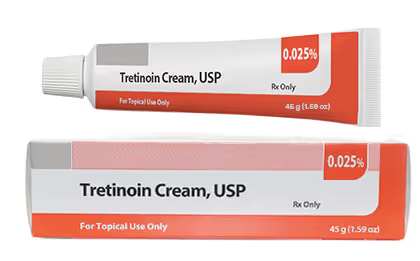
Prescription retinoids are among the most effective topical treatments for acne. These drugs, which contain retinoic acids or tretinoin, are useful for moderate acne and work by preventing the plugging of hair follicles. They come as creams, gels, and lotions.
Examples of prescription retinoids include tretinoin (Avita, Retin-A), adapalene (Differin at prescription strength), and tazarotene (Tazorac, Avage). You apply retinoid medication in the evening, beginning with three times a week, then daily as your skin becomes used to it.
Retinoids increase your skin's sun sensitivity and can cause dry skin and redness, especially in people with brown or black skin. Adapalene may be tolerated best among retinoids. It's important not to apply tretinoin at the same time as benzoyl peroxide, as this can reduce effectiveness.
Topical Antibiotics
Topical antibiotics work by killing excess skin bacteria and reducing redness and inflammation. However, topical antibiotics alone aren't recommended due to the risk of antibiotic resistance. Instead, they're combined with benzoyl peroxide to maintain effectiveness.
Examples include clindamycin with benzoyl peroxide (Benzaclin, Duac) and erythromycin with benzoyl peroxide (Benzamycin). For the first few months of treatment, you may use both a retinoid and an antibiotic, with the antibiotic applied in the morning and the retinoid in the evening.
Azelaic Acid
Prescription azelaic acid (Azelex, Finacea) at 20% strength is as effective as many conventional acne treatments when used twice daily. It has antibacterial properties and can manage discoloration that occurs with some types of acne. Azelaic acid is an option during pregnancy and while breast-feeding, making it valuable when other treatments are restricted.
Dapsone
Dapsone (Aczone) 5% gel twice daily is recommended for inflammatory acne, especially in women. It works primarily through anti-inflammatory mechanisms and is generally well tolerated.
Oral Acne Medications
For moderate to severe acne or acne that hasn't responded to topical treatments, oral medications provide systemic treatment that works throughout the body.
Oral Antibiotics
For moderate to severe acne, oral antibiotics reduce bacteria and provide powerful anti-inflammatory effects. The first choice for treating acne with oral antibiotics is typically a tetracycline like doxycycline or minocycline, or a macrolide like erythromycin or azithromycin.
Macrolides might be an option for people who can't take tetracyclines, including pregnant women and children under 8 years old. Oral antibiotics should be used for the shortest time possible and combined with other drugs, such as benzoyl peroxide, to reduce the risk of developing antibiotic resistance. Honeydew also offers Duricef as part of a comprehensive treatment approach.
Spironolactone
For women whose acne is driven by hormonal fluctuations, treatments that target hormones as a root cause can be highly effective.
The drug spironolactone (Aldactone) may be considered for women and adolescent girls if oral antibiotics aren't helping. Spironolactone works by blocking the effect of androgen hormones on the oil-producing glands, reducing oil production at its source.
Isotretinoin (Accutane)
Isotretinoin is a derivative of vitamin A and the most effective acne medication available. It may be prescribed for people whose acne hasn't responded to other treatments. Accutane is effective primarily because it targets all the underlying causes of acne: it shrinks the oil glands, reduces oil production, prevents pores from becoming clogged, decreases bacteria growth, and reduces inflammation.
At Honeydew, we specialize in personalized dosing strategies, including innovative low-dose Accutane regimens that can achieve excellent results with minimal side effects. We also offer Absorica, a better-absorbed formulation of isotretinoin.
Choosing the Best Acne Medication for You
The treatment regimen your doctor recommends depends on your age, the type and severity of your acne, and what you're willing to commit to. The best acne medication isn’t always a single product—combination approaches that target multiple acne-causing factors may be most effective.
Topical medications and oral medications are often used in combination. For example, you might use a topical retinoid in the evening and a topical antibiotic with benzoyl peroxide in the morning, potentially with an oral antibiotic or hormonal treatment as well.
Treatment options for pregnant women are limited due to the risk of side effects, but safe options exist. Azelaic acid, topical clindamycin, and certain other treatments can be used during pregnancy and while breast-feeding.
Progress Isn’t Always A Straight Path
When starting prescription acne treatments, especially those containing retinoids, you may experience temporary side effects including redness, dryness, peeling, or even a worsening of acne. This initial phase is sometimes called "the purge" and reflects your skin adjusting to treatment and clearing out clogged pores. These effects are temporary and typically subside with continued use.
Once your skin adjusts, you should see ongoing improvement including clearer skin, reduced scarring and pigmentation, and fewer new breakouts. With continued treatment, results continue to improve. However, once treatment is stopped, the improvement you achieved may gradually disappear, which is why long-term management is often necessary.
Your Partner in Clear Skin: Honeydew
If you're not satisfied with your current acne treatment, Honeydew offers the most personalized acne medication options available to maximize results while minimizing side effects. Our providers can manage, adjust, and recommend treatments completely online to ensure you get the clear skin you're looking for.
We offer comprehensive acne treatment that includes well-known medications like Accutane and better-absorbed versions like Absorica, as well as innovative low-dose Accutane regimens designed to minimize side effects. Our approach includes custom compounding when appropriate, creating personalized formulations that simplify your routine and target your specific concerns.
Our entire process is 100% online. You complete a simple evaluation, connect with a licensed dermatology provider who creates your personalized treatment plan, and receive your medications directly at your door. We provide ongoing support and adjust your treatment as needed to ensure you achieve and maintain clear skin.
Finding the right acne medication doesn't have to be overwhelming. With expert guidance and personalized treatment, clear skin is achievable. Learn more about how Honeydew can help you find the acne medication that works for you.