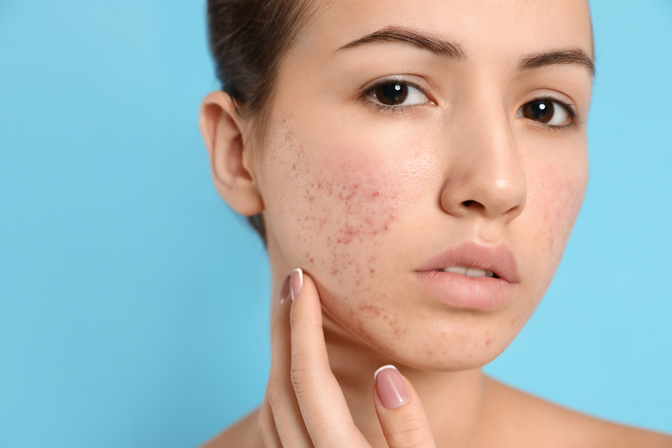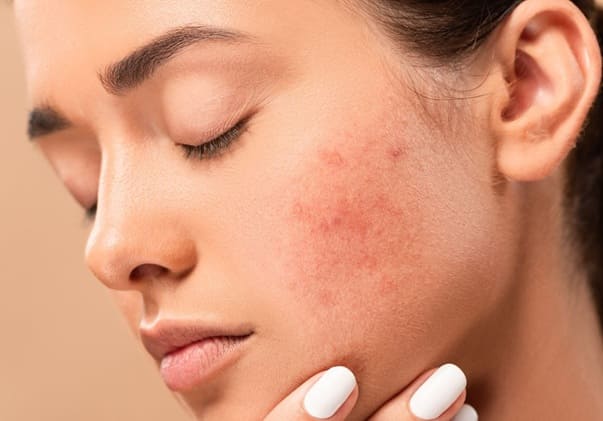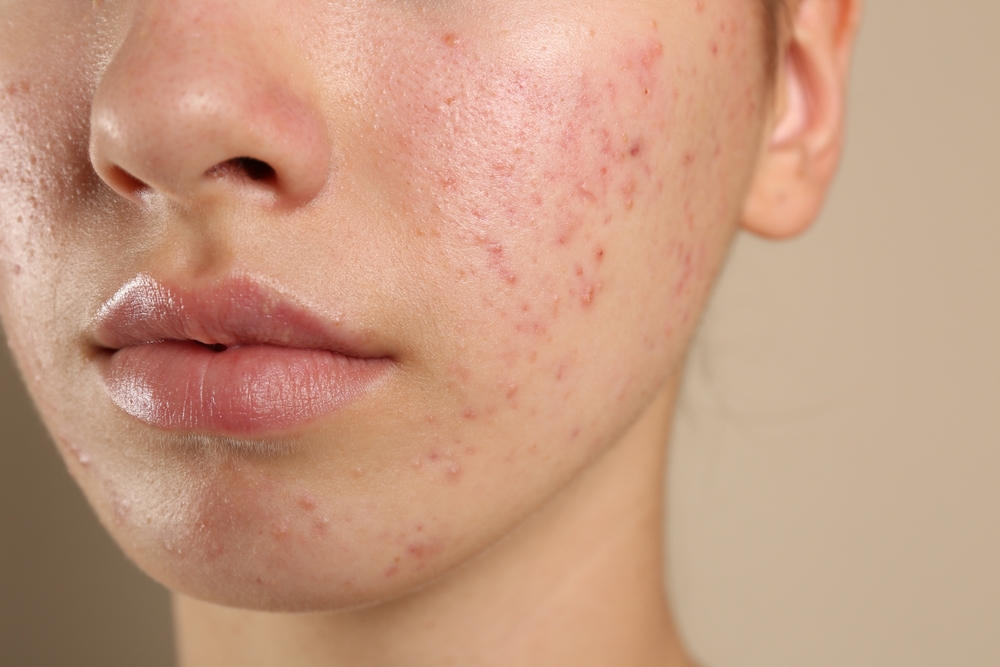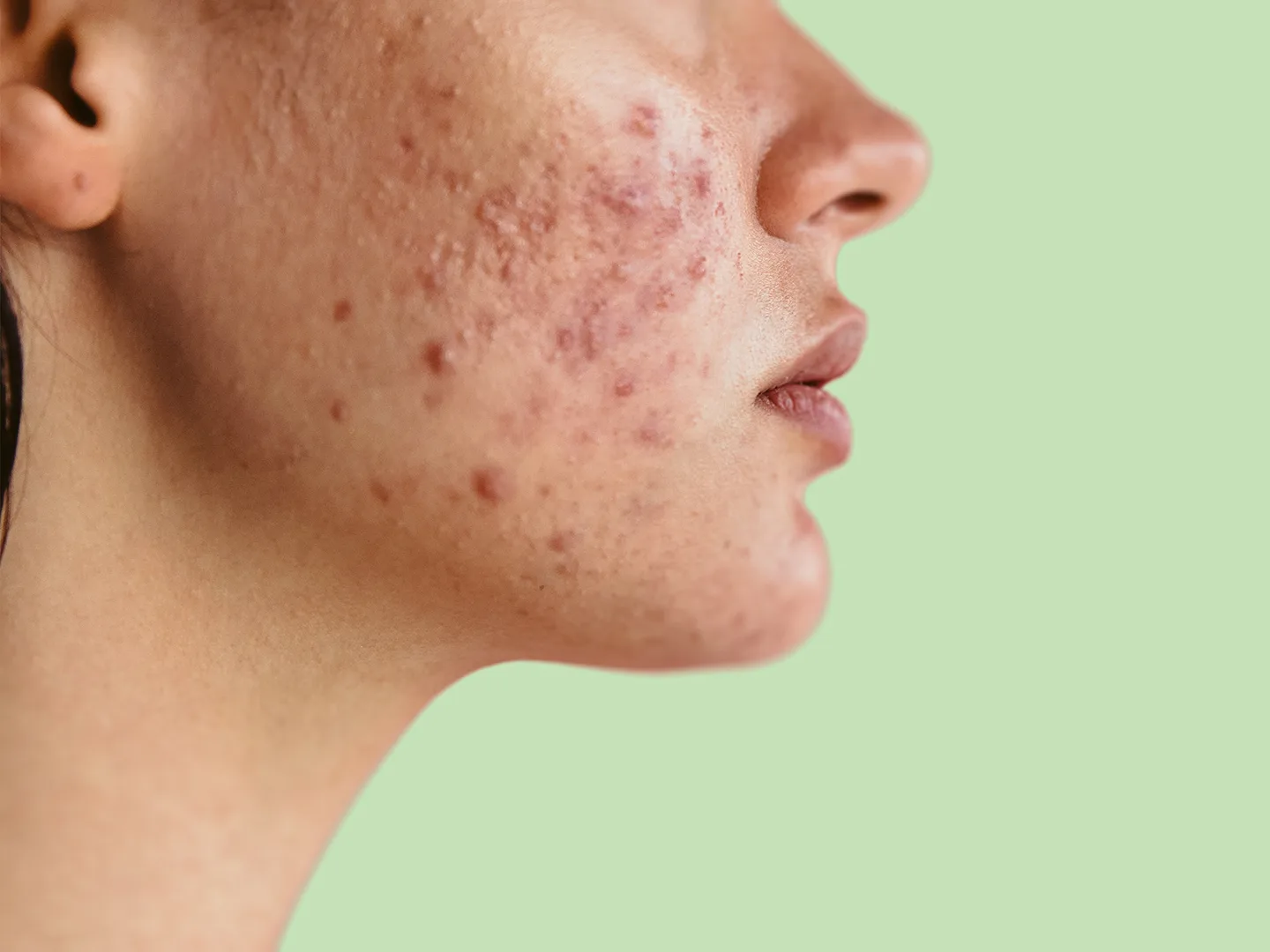

Acne is more than a cosmetic concern. For many, it's a persistent condition that affects self-esteem and quality of life. When over-the-counter products and prescription topicals fail to deliver results, Accutane (isotretinoin) offers a powerful solution. In particular, Accutane is the most effective treatment for acne, especially for those dealing with persistent breakouts that haven't responded to other therapies.
At Honeydew, we understand the frustration of trying treatment after treatment without seeing clear skin. Our providers specialize in evidence-based acne care, including Accutane, better-absorbed formulations like Absorica, and innovative low-dose Accutane regimens designed to minimize side effects while delivering excellent results. This guide will help you understand everything you need to know about isotretinoin for acne.
What Is Accutane?
Accutane is a brand name for isotretinoin, a type of retinoid medication derived from vitamin A. Isotretinoin is available under several brand names in the United States, including Absorica, Amnesteem, Claravis, Myorisan, Sotret, and Zenatane.
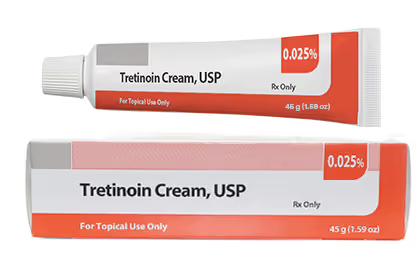
Unlike topical retinoids such as Tretinoin that work on the skin's surface, isotretinoin works systemically from within the body. It's the only acne treatment that targets all four major causes of acne: excess oil production, clogged pores, bacterial growth, and inflammation.
How Accutane Works
Isotretinoin's effectiveness stems from its ability to address the root causes of acne simultaneously. During treatment, sebum production decreases by 90%, which dramatically reduces the oil that clogs pores and creates an environment for bacterial growth. The medication normalizes skin cell turnover, preventing dead skin cells from accumulating and blocking hair follicles.
Accutane also reduces the number of P. acnes bacteria on the skin's surface and within the pores. Studies have shown that isotretinoin has potent anti-inflammatory properties, which helps reduce the redness and swelling associated with inflamed acne lesions. Research suggests that the medication's phenomenal efficacy may be due to its ability to influence cell-cycle progression, cellular differentiation, and apoptosis.
Benefits of Accutane Treatment
The benefits of isotretinoin for acne extend beyond just clearing existing breakouts. The medication provides a powerful solution for those seeking effective treatment for persistent acne. By normalizing the sebaceous glands and reducing oil production, Accutane can prevent future breakouts before they even start.
Treatment with isotretinoin helps clear existing acne and prevents new lesions from forming. By treating active acne, the medication reduces the risk of scarring from severe blemishes. Blemishes heal and fade away faster with fewer marks left behind on the skin's surface. In some cases, patients have reported that their existing scars improved or completely vanished after taking isotretinoin.
Many patients find that the physical improvements from treatment lead to enhanced self-confidence and self-esteem. For those who have tried other treatments without seeing improvement in their skin, isotretinoin offers hope for clearer, smoother skin.
Low-Dose Accutane: A Modern Approach
Recent advances in isotretinoin dosing have made it possible to achieve excellent results with fewer side effects than traditional high-dose regimens. Low-dose isotretinoin protocols extend treatment duration while using smaller daily doses. This approach can significantly reduce the intensity of common side effects like dryness while still providing the medication's powerful acne-clearing benefits.
At Honeydew, our providers specialize in personalized dosing strategies, including innovative low-dose Accutane regimens. This modern approach allows many patients to experience the life-changing results of isotretinoin treatment with minimal disruption to their daily lives.
Alternative Formulations
Some formulations of isotretinoin improve absorption, reducing the dose you need to take without prolonging treatment.
Absorica is a better-absorbed version of isotretinoin that may provide more consistent results, particularly when taken without food. Your provider can help determine which formulation is best suited to your needs and lifestyle.
Who Should Consider Accutane Treatment?
Isotretinoin is used to treat any type of acne, especially persistent acne that hasn't responded adequately to other treatments. A healthcare provider may prescribe isotretinoin if other acne medications don't work well enough or cannot be tolerated.
This medication is very effective for treating severely inflamed lesions, nodular acne, and cystic acne. Many patients who complete a course of Accutane treatment enjoy long-term or even permanent clear skin. For some, this means years or decades without significant breakouts after a single treatment course.
What to Expect During Treatment
Isotretinoin is available in capsule and liquid-filled capsule dosage forms. The medication should be taken by mouth with a full glass of water, as directed on the prescription label, at the same time every day. It can be taken with or without food, though taking it with food may help if it upsets the stomach. Capsules should be swallowed whole and not cut, crushed, or chewed.
Treatment duration varies depending on the prescribed dose and individual response, but courses typically last several months. It may take some time before you see the full benefit from isotretinoin. Some patients experience a flare in acne during the initial treatment period, which is a normal part of the process as the medication begins to work.
You will need to see your provider monthly to get a new prescription and to monitor your progress and check for side effects. At Honeydew, we provide patients with monthly check-ins and unlimited access to their care team through our online messaging system.
The iPLEDGE Program: Preventing Pregnancy Risks of Accutane
Due to the serious risk of birth defects, isotretinoin is available only under a registered distribution program called the iPLEDGE™ program. This program ensures that patients understand the risks and follow strict safety measures during treatment.
Isotretinoin causes birth defects in humans. Severe birth defects may occur even if just one dose is taken during pregnancy. Women of childbearing potential must not get pregnant while taking isotretinoin and for one month after stopping it. Two reliable forms of birth control must be used for one month before, during, and for one month after stopping treatment.
Women must have two negative pregnancy tests before starting isotretinoin and one each month during treatment, even if not sexually active. Birth control pills that contain estrogen should be used, as ones that contain only progestin may not work as well with isotretinoin. If you become pregnant, miss a menstrual cycle, or stop using birth control while on isotretinoin, stop taking the medication immediately and call your care team.
You should not breast-feed while taking isotretinoin or for one month after stopping treatment. Blood should not be donated while taking the medication or for 30 days after stopping it.
Important Safety Considerations
Before starting isotretinoin, your care team needs to know your complete medical history. This includes whether you have anorexia, asthma, depression, diabetes, heart disease, high cholesterol, inflammatory bowel disease, liver disease, mental health disease, osteoporosis, or any history of suicidal thoughts, plans, or attempts. You should also inform your provider of any unusual or allergic reactions to isotretinoin, vitamin A, other medications, foods, dyes, or preservatives.
Isotretinoin may be prescribed for children as young as 12 for selected conditions, but precautions apply. The medication should only be used by the prescribed individual and should never be shared with others.
Monitoring During Treatment
Regular monitoring is necessary while using isotretinoin. Your provider may check cholesterol and triglyceride levels, as isotretinoin can increase these values and decrease HDL levels. If you have diabetes, the medication may increase blood sugar, and your provider may recommend changes in diet or medications.
Your provider may tell you to stop taking isotretinoin if you develop muscle problems. If muscle problems persist after stopping the medication, contact your care team.
Lifestyle Modifications
Several lifestyle adjustments are necessary during isotretinoin treatment. Alcoholic drinks should be avoided, as alcohol can increase the risk of high cholesterol. Isotretinoin makes your skin more sensitive to the sun, so you should stay out of the sun when possible, wear protective clothing and sunscreen if sun exposure cannot be avoided, and not use sun lamps or tanning beds.
Cosmetic procedures such as waxing, dermabrasion, or laser therapy should not be performed during and for at least six months after stopping isotretinoin due to an increased risk of scarring.
Managing Common Side Effects
The most common side effects of isotretinoin involve dryness. Many patients experience dryness or irritation of the eyes, lips, mouth, or nose. Contact lens wearers may feel discomfort due to dry eyes; lubricating eye drops may help. If the problem doesn't go away or is severe, see your care team.
Joint pain and muscle pain are also relatively common and usually don't require medical attention unless they become severe or persistent. Some patients experience mild nausea, which can often be managed by taking the medication with food.
Drug and Supplement Interactions
Isotretinoin should not be taken with vitamins and other supplements containing vitamin A. The medication may interact with several other drugs, including alcohol, benzoyl peroxide, salicylic acid or other drying medications used for acne, medications for seizures, Orlistat, medications that make you more sensitive to the sun (such as sulfa medications), progestin-only birth control hormones, St. John's Wort, steroid medications like prednisone or cortisone, tetracycline antibiotics (like Doxycycline), and warfarin.
Always inform your provider of all medications and supplements you're taking before starting isotretinoin treatment.
Your Partner in Achieving Clear Skin: Honeydew
At Honeydew, we understand that deciding to start isotretinoin treatment is a significant step. We offer the most personalized treatments available to maximize results while minimizing side effects. Our providers can manage, adjust, and recommend treatments completely online to ensure you get the results you're looking for.
We offer comprehensive isotretinoin care, including traditional Accutane, better-absorbed formulations like Absorica, and innovative low-dose protocols designed to reduce side effects. Our entire process is 100% online—from your initial consultation through monthly check-ins and prescription refills.
If isotretinoin isn't right for you, we offer a full range of alternative treatments, including Spironolactone for hormonal acne, oral antibiotics like Doxycycline and Duricef, and prescription topicals such as Tretinoin and Clindamycin. We also provide custom compounding of medications to simplify your routine and improve effectiveness.
Finding the right acne treatment requires expert guidance and personalized care. At Honeydew, we're committed to helping you achieve the clear, healthy skin you deserve. Learn more about how we can partner with you on your journey to clearer skin.