Introduction: The Accutane-Omega-3 Connection
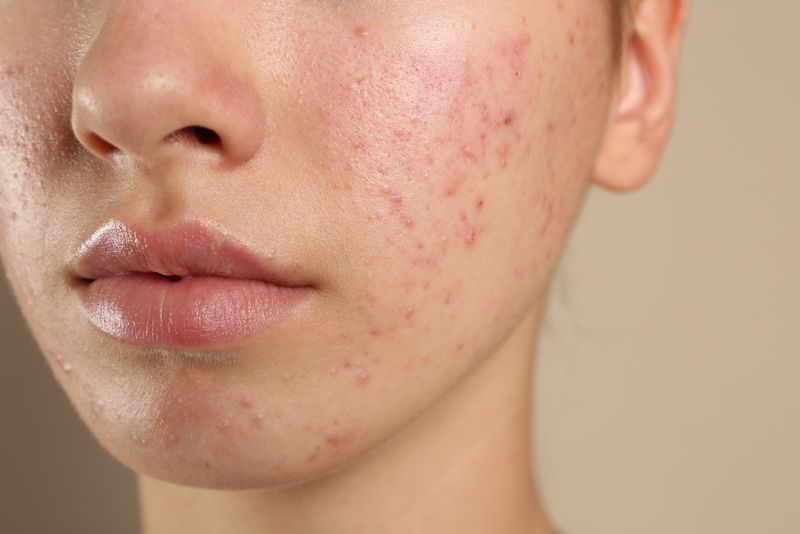
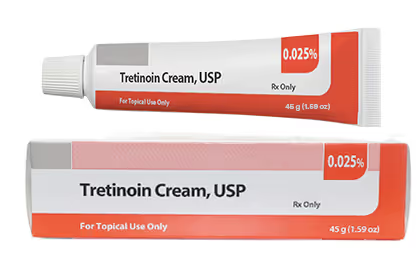
If you’re among the millions who’ve turned to Accutane (isotretinoin) for stubborn acne, you’ve likely heard the advice: “Take it with a fatty meal.” But what if there’s a way to not only boost absorption but also ease side effects like dry skin and elevated cholesterol? Enter Omega-3 fatty acids, the main ingredient supplements like fish oil provide. Let’s dive into the science, separate fact from hype, and explore how this dynamic duo might work together to give you clearer skin with fewer hurdles.
Why Fat Matters for Accutane Absorption
Accutane’s effectiveness hinges on proper absorption, and fat is the golden ticket. Here’s why: Isotretinoin is lipophilic, meaning it dissolves in fat, not water. Without dietary fat, up to 60% of the medication might bypass your system entirely, according to GoodRx.
Not All Fats Are Created Equal
While a cheeseburger technically “counts” as fat, foods high in Omega-3 fatty acids such as fatty fish, chia and flaxseeds, and supplements (e.g. fish oil) can help provide the necessary fats for absorption while also potentially helping to reduce common side effects..
Omega-3 fatty acids: More Than Just an Absorption Aid
Omega-3 fatty acids aren’t just a delivery vehicle for Accutane; they are a multitasking ally. Let’s unpack its dual role:
1. Enhancing Drug Bioavailability
Taking isotretinoin with a fat-containing source such as Omega-3 rich foods promotes chylomicron production—microscopic “ferries” that transport fat-soluble compounds like isotretinoin through the body. This process can allow more medication to reach your skin’s sebaceous glands, where it’s needed most.
.2. Combating Side Effects
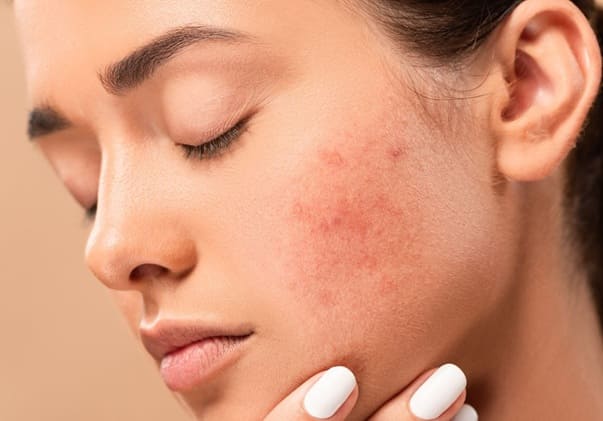
Accutane’s infamous dryness isn’t just uncomfortable; it can lead to cracked lips, irritated eyes, and flaky skin. A study highlighted by Acne.org found that omega-3s:
- Strengthen the skin’s lipid barrier, locking in moisture
- Reduce inflammatory markers like IL-6 and TNF-alpha
- Support tear film stability to prevent dry eyes
Omega-3 fatty acids may also help reduce high cholesterol, which is another common side effect of isotretinoin
The Science Behind Omega-3s and Acne
Omega-3’s benefits extend beyond Accutane synergy. Several recent studies (like this and this) supports that higher levels of Omega-3 fatty acids are associated with reduced risk of acne. And randomized clinical trials have also found that Omega-3 supplementation can help improve acne.
How to Use Omega-3 with Accutane: A Step-by-Step Guide
Timing Is Everything
Take Accutane and Omega-3 containing foods or fish oil with your largest meal of the day. The fat in your food will maximize absorption, and pairing it with omega-3s ensures you’re getting the “good” fats your body needs. Pro tip: Opt for enteric-coated fish oil capsules or consider algae based options to avoid the fishy aftertaste.
Dosing for Results
When supplementing with fish oil to consume more Omega-3 fatty acids, you need to be cautious. What matters is the dose of Omega-3, not the dose of fish oil. Most importantly, not all supplements are created equally. At Honeydew, we particularly like Now Foods and Omegavia
Aim for:
- Accutane: As prescribed (typically 0.5–1 mg/kg daily)
- Omega-3: 500-1,000mg combined EPA/DHA daily
Always consult your dermatologist first—especially if you’re on blood thinners or have a fish allergy.
Honeydew Care: Your Partner in Personalized Acne Treatment
Navigating Accutane and supplements can feel overwhelming. That’s where Honeydew Care shines. This innovative platform takes the guesswork out of acne treatment with:
Tailored Treatment Plans
- Expert dermatologists who adjust your Accutane dose based on monthly progress checks
- Dietary guidance to optimize fish oil use and minimize side effects
- Affordable access to prescription-grade omega-3 supplements
Why Join Honeydew Care?
- No insurance needed: Memberships start at $25/month
- Support 7 days/week: Chat with dermatology experts anytime
- Science-backed protocols: Get the latest strategies (like fish oil pairing) vetted by medical professionals
Ready to upgrade your acne journey? Sign up today and get your first month of omega-3 supplements free with any Accutane plan.
Common Questions (Answered by Science)
“Can I just eat salmon instead of taking fish oil?”
In theory, you can eat fish to supplement your Omega-3 intake. However, unless you are eating salmon daily, and in order to guarantee precise dosing (especially to counter Accutane’s effects), supplements are more reliable.
“What if I’m vegetarian?”
Algal oil (derived from algae) offers vegan-friendly DHA/EPA. Studies show it’s just as effective as fish-based omega-3s.
“When will I see results?”
Most patients notice reduced dryness within 2–4 weeks. Full anti-acne effects from Accutane typically take 4–6 months.
Conclusion: A Smarter Approach to Clear Skin
Pairing fish oil with Accutane isn’t just a hack—it’s a science-backed strategy to enhance results while protecting your comfort. By nourishing your body with omega-3s, you’re not only helping the medication work better but also building healthier skin from the inside out.
For those ready to take control of their acne journey, Honeydew Care offers the tools, expertise, and support to make it happen. Because clear skin shouldn’t come at the cost of your well-being.
Your next step? Book a consultation, grab your fish oil, and get ready to meet the best skin of your life.