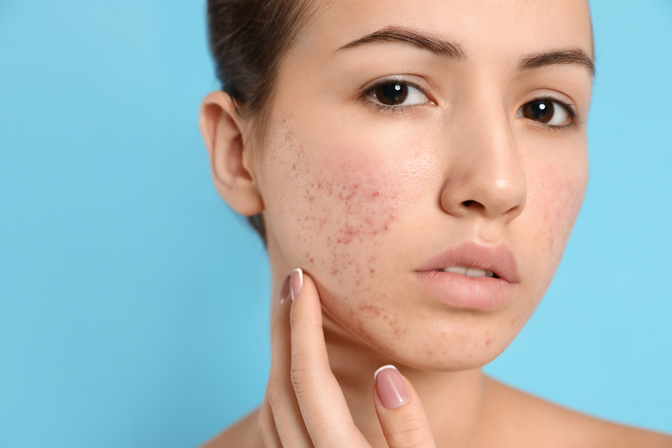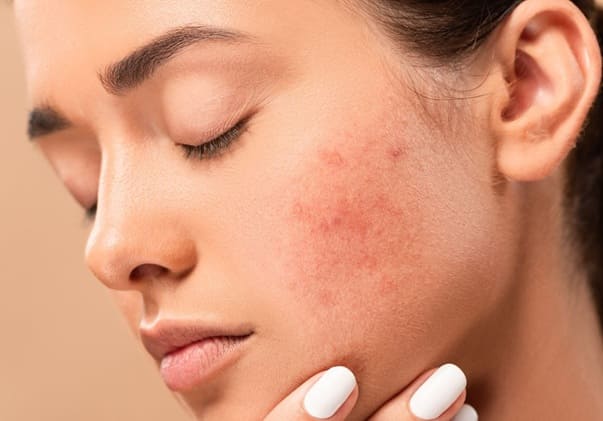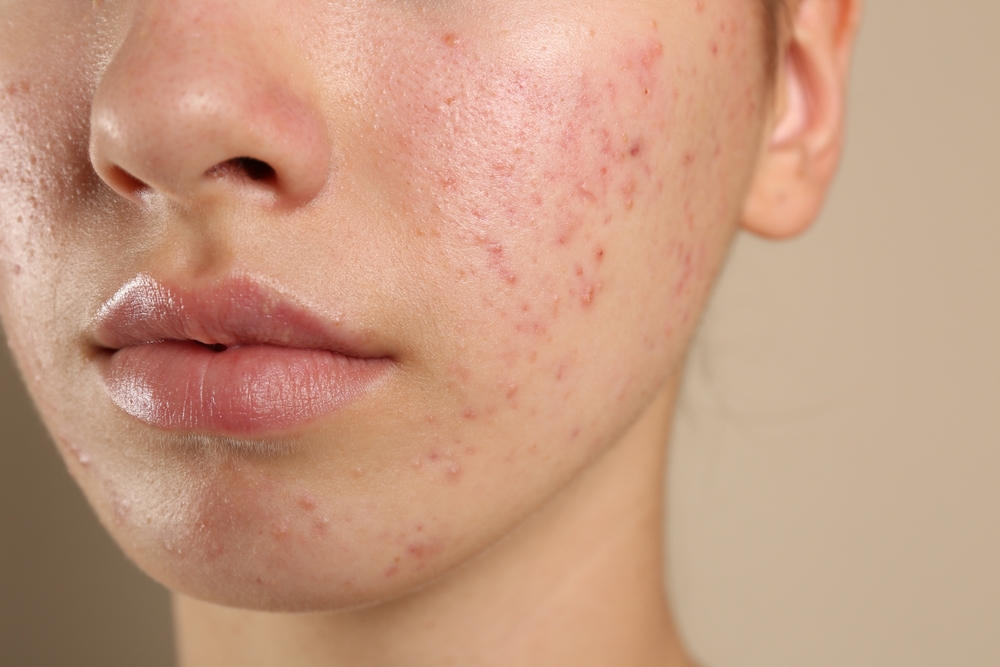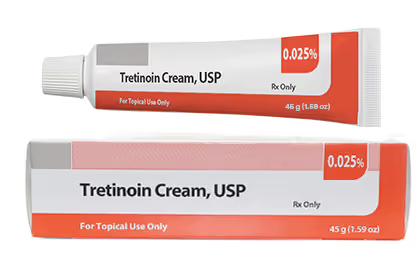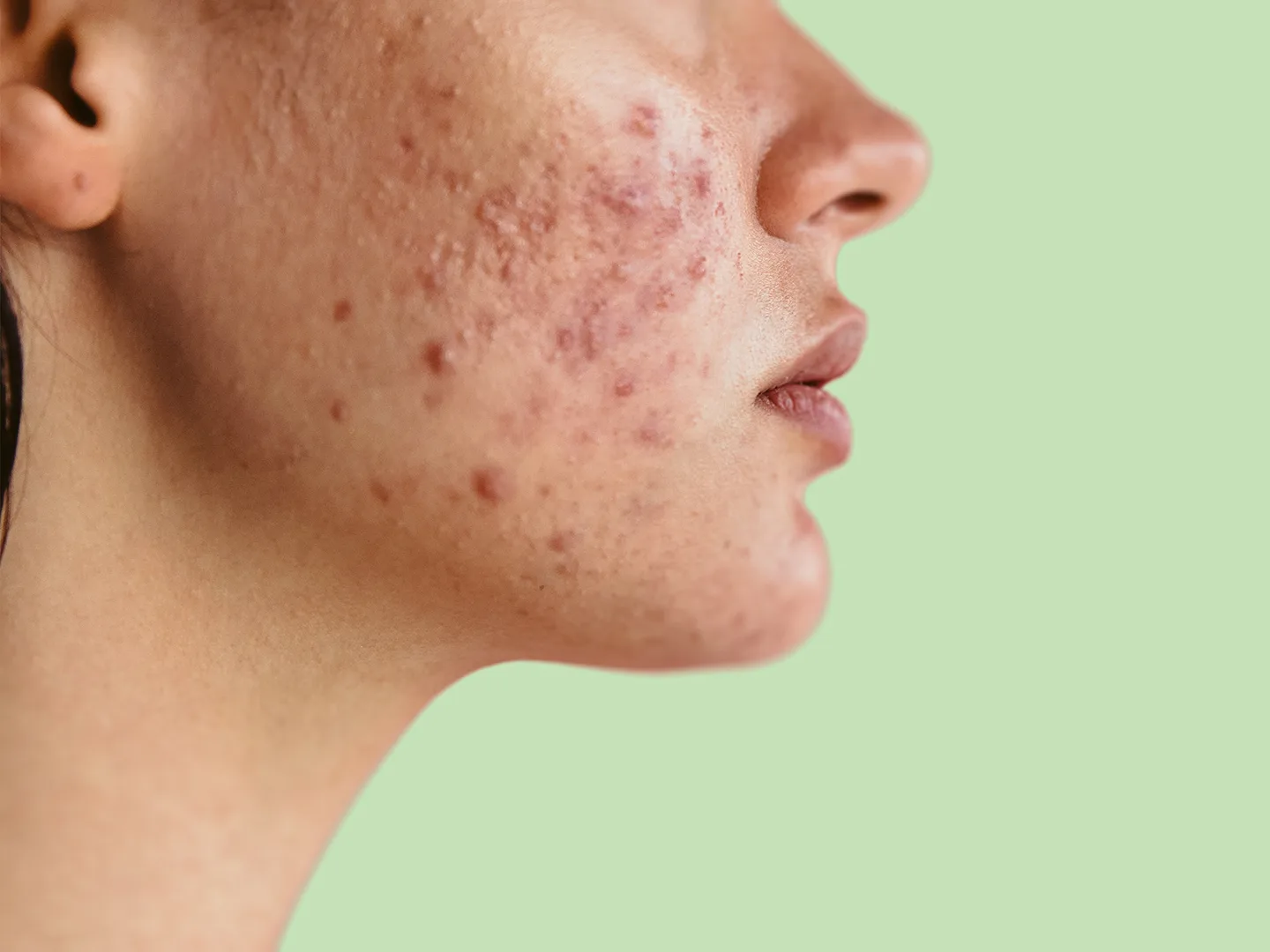

If you have sensitive skin, treating acne can feel like navigating a minefield. Many effective acne treatments come with warnings about irritation, dryness, and redness—side effects that sensitive skin is especially prone to experiencing. You want clear skin, but you're understandably hesitant to use products that might leave your face inflamed and uncomfortable. The good news is that effective acne treatment and sensitive skin care are not mutually exclusive. With the right approach, you can achieve clear, healthy skin without subjecting yourself to unnecessary irritation.
Finding that right approach, however, often requires patience and some trial and error. What works well for one person may cause redness, burning, or peeling for another. If you've struggled to find acne treatments that don't aggravate your sensitive skin, you're not alone—and there are solutions that can work for you.
This article will guide you through the best practices and treatment options for managing acne when you have sensitive skin.
Understanding Sensitive Skin and Acne
Sensitive skin is characterized by a heightened reactivity to products, environmental factors, and treatments that others might tolerate without issue. When you have sensitive skin, your skin barrier may be compromised, making it more vulnerable to irritation, inflammation, and moisture loss. This creates a particular challenge when treating acne, since many acne medications work by increasing cell turnover or reducing oil production—mechanisms that can exacerbate sensitivity.
The key to successful acne treatment for sensitive skin lies in balancing effectiveness with gentleness. This means starting with lower-strength formulations, choosing less irritating product types, and building a supportive skincare routine that protects your skin barrier while addressing acne.
Choosing the Right Acne Medications for Sensitive Skin
Over The Counter: Benzoyl Peroxide
Benzoyl peroxide is one of the most effective over-the-counter acne treatments available, with powerful antibacterial properties that target the bacteria responsible for acne inflammation. However, it can cause dry skin, scaling, irritation, burning, and stinging, especially if you have sensitive skin.
The solution is to start with a lower strength formulation. Consider starting with a 2.5% water-based benzoyl peroxide product to lower the risk of side effects. Research shows that lower concentrations can be just as effective as higher strengths while causing significantly less irritation. Water-based formulations are generally gentler than alcohol-based versions, making them a better choice for sensitive skin.
Accutane: The Gold Standard
Accutane is the most effective treatment for persistent acne. It works by normalizing skin cell turnover to prevent clogged pores. While they can cause initial dryness and irritation, these side effects can be managed with a thoughtful approach.
Using a lower dose or a high absorption formulation helps minimize inflamed, dry skin and other problems. Moreover, because your Accutane treatment depends on the total dose you have taken over time, lower doses are equally effective as regular doses but present patients with fewer side effects. If you're taking Accutane, your provider can start you on a lower concentration and gradually increase as your skin builds tolerance. Using a nonoily moisturizer alongside your treatment can ease symptoms such as dry skin, scaling, and inflamed skin.
Other Gentle Yet Effective Options
Several other prescription treatments can be effective for sensitive skin acne. Clindamycin is a topical antibiotic that reduces bacteria and inflammation. Azelaic acid offers antibacterial and anti-inflammatory benefits with generally good tolerability. For hormonal acne in women, Spironolactone works systemically to reduce oil production without the topical irritation of many other treatments.
Choosing the Right Formulation
The vehicle or base that carries the active ingredient in your acne treatment matters significantly for sensitive skin. In general, creams are less irritating than gels or ointments. Creams provide a balance of moisture and active ingredient delivery that sensitive skin often tolerates better.
Water-based formulations are typically gentler than alcohol-based products. Choose skin care products labeled water-based or noncomedogenic, as they are less likely to clog pores and cause acne while being gentler on sensitive skin.
Building a Gentle Skincare Routine
The Right Way to Cleanse
When using acne products, wash acne-prone skin gently using hands, a mild cleanser, and warm water. Cleansers like Cetaphil and Vanicream are formulated to clean without stripping the skin barrier. Wash acne-prone skin twice daily—more frequent washing can compromise your skin barrier and worsen sensitivity.
Avoid facial scrubs, astringents, and masks because they tend to irritate the skin. These products can worsen acne and amplify the side effects of medicated acne products. If you prefer an alternative to traditional cleansers, cleansing cloths with an open weave are good for dry, sensitive skin.
Moisturize Without Clogging Pores
Moisturizing is not optional when treating acne on sensitive skin—it's essential. Choose non-oily products for facial moisturizers, acne concealers, and cosmetics to help avoid clogged pores and ease dry, peeling skin. Look for products labeled noncomedogenic, which means they won't block pores.
Apply your moisturizer after your acne treatment has dried to create a protective barrier that locks in hydration and reduces irritation. Regularly using a non-oily moisturizer that includes sunscreen is particularly important, as some acne medications make skin more prone to sunburn.
Be Gentle with Hair Products Too
Hair products can contribute to acne, especially along the hairline, forehead, and temples. Silicone or glycerin-based hair products formulated as moisturizing liquids might be a good replacement for heavy, oil-based hair products. Applying hair oil only to the middle of your scalp and hair ends helps avoid acne on your forehead and temples.
Lifestyle Practices for Sensitive Skin with Acne
Beyond products and medications, certain practices can help you manage acne while protecting sensitive skin. Do not pick or squeeze blemishes to avoid increasing the risk of infection or scarring. The temptation is understandable, but the consequences - such as prolonged healing time, increased inflammation, and permanent scarring - are not worth it.
Protect acne-prone skin from contact with phones, helmets, caps, tight collars, straps, backpacks, and other items that might transfer sweat or oil to your skin. These items can create friction and trap bacteria against your skin, worsening both acne and irritation.
When Gentle Approaches Aren't Enough
Sometimes, despite your best efforts with gentle treatments, acne persists. This doesn't mean you're doomed to choose between clear skin and comfortable skin. Advanced treatment options can be tailored to work for sensitive skin.
For persistent acne, oral isotretinoin (Accutane) is highly effective for any type of acne. While it does cause dryness, this side effect can be managed with proper moisturization and support. At Honeydew, we offer low-dose Accutane regimens that can minimize side effects while still achieving excellent results. We also offer Absorica, a better-absorbed version of isotretinoin that may allow for lower dosing.
Oral antibiotics like Doxycycline or Duricef can treat moderate to severe inflammatory acne without the topical irritation that sensitive skin often struggles with.
Your Partner in Gentle, Effective Acne Treatment
Having sensitive skin shouldn't mean you have to settle for less effective acne treatment or suffer through irritation to achieve clear skin. We believe in finding the right balance for your unique skin.
If you're not satisfied with your current treatment approach, Honeydew offers the most personalized treatments available to maximize results while minimizing side effects. Our providers can manage, adjust, and recommend treatments completely online to ensure you get the clear skin you're looking for without compromising your skin's comfort and health.
Our approach for sensitive skin with acne includes:
- Starting with appropriate strength formulations and adjusting based on your response
- Selecting the gentlest effective product types and vehicles
- Custom compounding options that simplify your routine while reducing irritation
- Comprehensive support in building a protective skincare routine
- Access to advanced treatments like low-dose Accutane when needed
- Ongoing monitoring and adjustments from the comfort of your home
Treating acne on sensitive skin requires patience, the right products, and expert guidance. You don't have to choose between clear skin and comfortable skin. With a thoughtful, personalized approach, you can achieve both. Learn more about how Honeydew can help you find gentle yet effective acne solutions for your sensitive skin.