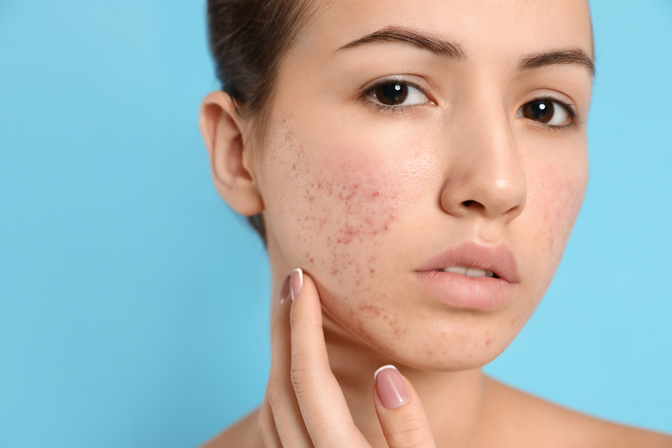
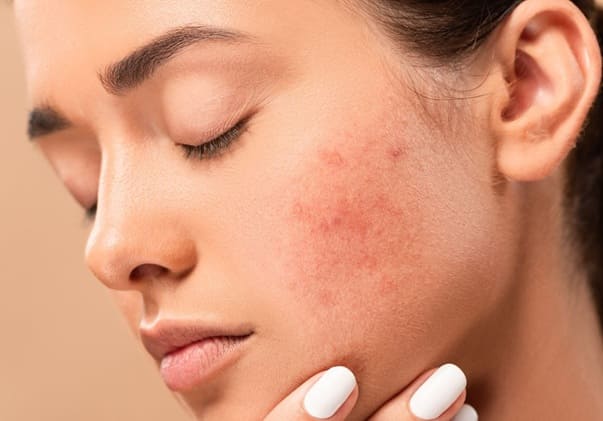
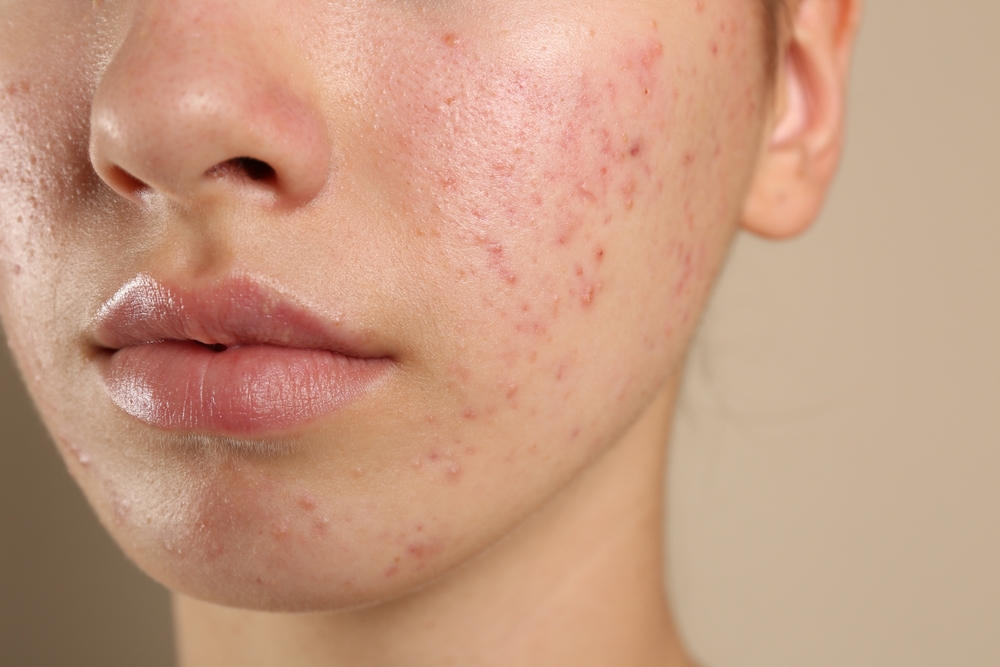
Dry skin and acne can feel like contradictory problems. Many acne treatments are designed to reduce oil and dry out pimples, which can leave already-dry skin feeling tight, flaky, and irritated. But having dry skin doesn't mean you're immune to acne, and treating acne on dry skin doesn't have to come at the cost of your skin's comfort. With the right approach, you can achieve clear skin while maintaining healthy hydration levels.
At Honeydew, we understand the unique challenge of managing acne on dry skin. We know that generic treatment plans often overlook the importance of matching acne therapy to your specific skin type. That's why we create personalized treatment plans that address your acne effectively while protecting your skin's moisture barrier.
Why Dry Skin Gets Acne
The common assumption is that acne only affects oily skin, but this isn't accurate. Acne develops when hair follicles become clogged with dead skin cells and sebum, creating an environment where bacteria can multiply and trigger inflammation. While excess oil production is one contributing factor, it's not the only one.
Dry skin can actually contribute to acne in several ways. When skin is dry, it often compensates by producing more oil in certain areas, leading to combination skin patterns. Additionally, dry skin tends to accumulate dead skin cells on the surface more readily because the natural shedding process is impaired. These cells can mix with whatever oil is present and clog pores.
Harsh acne treatments can also create a cycle of worsening symptoms. When aggressive products strip the skin of its natural oils, the skin barrier becomes compromised, leading to increased sensitivity and inflammation. This inflammation can worsen existing acne and make the skin more reactive to treatment.
Starting With Lower Strength Products
One of the most effective strategies for treating acne on dry skin is to start with lower strength acne products. This approach minimizes the risk of excessive dryness, irritation, and inflamed skin while still delivering results.
For benzoyl peroxide, consider starting with a 2.5% water-based formulation rather than jumping to higher concentrations. Lower strength benzoyl peroxide products can be just as effective at killing acne-causing bacteria while significantly reducing the risk of side effects, including dry skin. Water-based formulations are generally gentler than alcohol-based versions.
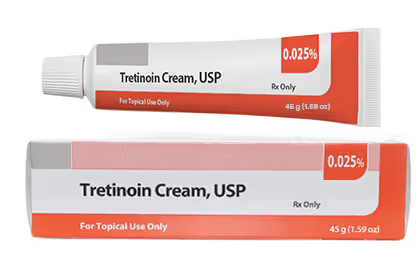
When using prescription retinoids like Tretinoin or over-the-counter adapalene, starting at a lower strength or frequency can help your skin acclimate. Many people find success using these products every other night initially, then gradually increasing to nightly application as their skin adjusts.
Choosing the Right Product Formulation
The formulation of your acne treatment matters significantly when you have dry skin. In general, creams are less irritating than gels or ointments when choosing an acne product. Gels can cause the skin to sting and feel dry, making them less suitable for already-dry skin types.
Cream formulations contain more emollients and moisturizing ingredients that help buffer the active ingredients and reduce irritation. If you're prescribed a medication that only comes in gel form, using it in combination with a good moisturizer can help offset any drying effects.
Proper Cleansing Techniques
How you cleanse your skin is just as important as what acne treatment you apply. For washing acne-prone dry skin, use your hands to wash your face with a mild cleanser and warm water. Gentle cleansers like Cetaphil or Vanicream are formulated to clean without stripping the skin's natural oils.
Avoid hot water, which can further dry out skin, and be gentle in your application. Too much washing and scrubbing can worsen acne by irritating the skin and compromising the moisture barrier. Washing twice daily—morning and night—is sufficient for most people.
Cleansing cloths with an open weave are good for dry, sensitive skin. These can serve as gentle alternatives to traditional cleansers and harsh washcloths in an acne treatment routine. The open weave provides mild physical exfoliation without the abrasiveness that can aggravate dry, sensitive skin.
The Critical Role of Moisturizers
Using a moisturizer is not optional when treating acne on dry skin—it's essential. A noncomedogenic moisturizer can ease dry skin symptoms that are possible side effects of many acne treatments, including adapalene and benzoyl peroxide.
Look for moisturizers labeled as noncomedogenic, which means they won't clog pores. These products are specifically formulated to provide hydration without contributing to acne formation. Choosing non-oily facial moisturizers helps avoid clogged pores and eases dry, peeling skin when treating acne.
Apply your moisturizer after your acne treatments have absorbed, typically waiting a few minutes. Some people find a technique called "buffering" to be helpful: applying moisturizer first, then acne treatment
Sun Protection for Dry, Acne-Prone Skin
Regularly using a noncomedogenic moisturizer that includes sunscreen protects the skin from the sun, which can worsen dark spots left behind by acne. This is crucial when some acne medications make the skin more likely to sunburn, potentially exacerbating dryness.
Many prescription acne treatments, including retinoids, increase photosensitivity. Sun exposure on unprotected skin using these medications can lead to increased dryness, irritation, and hyperpigmentation. Look for noncomedogenic sunscreens with at least SPF 50 for daily use.
Managing Makeup and Concealer
Having acne doesn't mean you can't wear makeup, but choosing the right products is important. Noncomedogenic acne concealers and cosmetics help ease dry, peeling skin while providing coverage.
Many makeup products are now formulated specifically for acne-prone skin, containing ingredients like salicylic acid that continue treating acne throughout the day. Look for products labeled "noncomedogenic" or "oil-free" to ensure they won't exacerbate breakouts or clog pores.
Your Partner in Personalized Acne Care
Treating acne on dry skin requires a nuanced, personalized approach. Cookie-cutter treatment plans that work for oily skin often fail for dry skin types, leading to frustration and damaged skin barriers.
If you're not satisfied with your current treatment, Honeydew offers the most personalized treatments available to maximize results while minimizing side effects. Our providers can manage, adjust, and recommend treatments completely online to ensure you get the results you're looking for without compromising your skin's health.
Our approach begins with understanding your unique skin type, acne severity, and treatment history. We then create a customized plan that addresses your acne effectively while protecting your skin's moisture barrier. Whether that involves starting with lower-strength products, utilizing custom compounded medications, or implementing low-dose isotretinoin protocols, we tailor every aspect of your treatment to your needs.
Finding the best acne treatment for dry skin doesn't mean choosing between clear skin and comfortable skin. With expert guidance and personalized care, you can achieve both. Honeydew's online dermatology providers are here to help you navigate this balance and create a treatment plan that finally works for your unique skin.