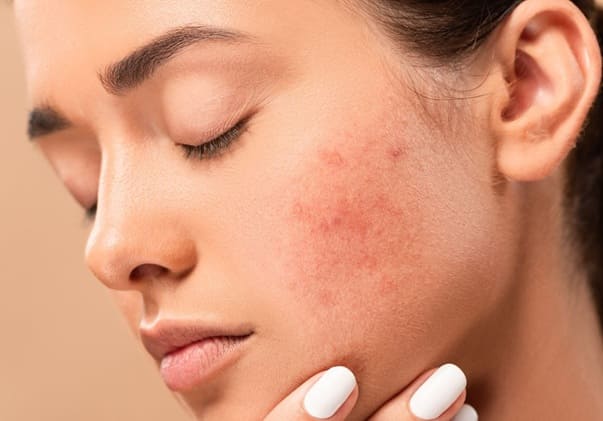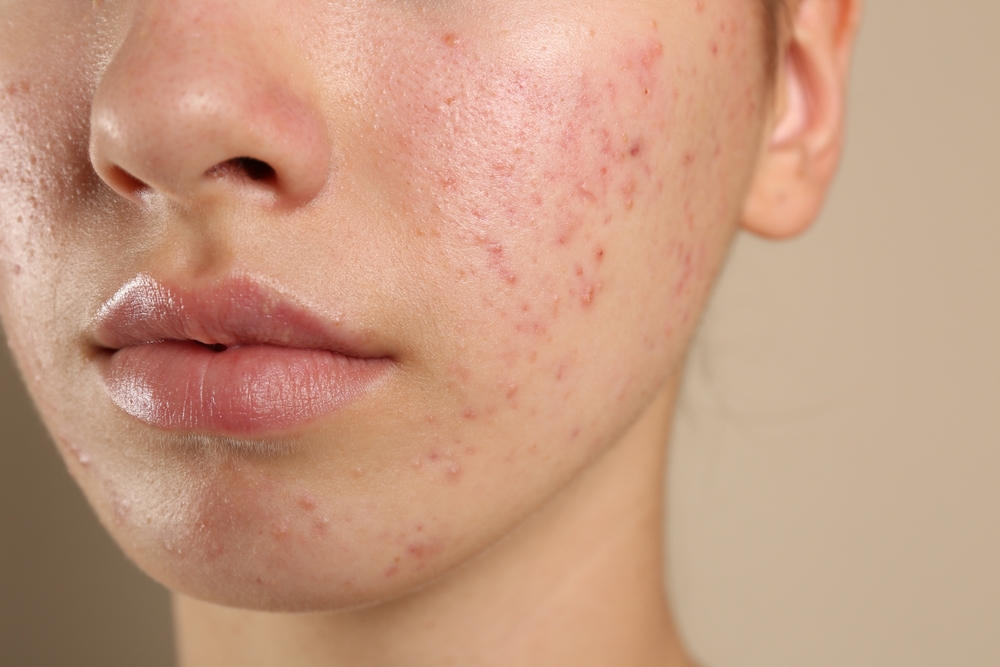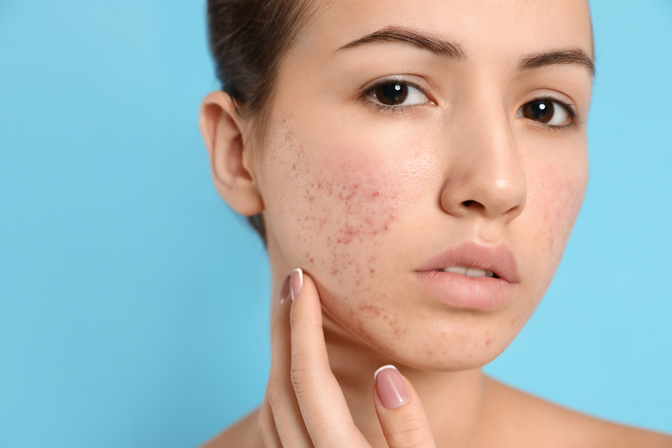

You've started a new acne treatment, hoping for clearer skin. Instead, your breakouts seem worse. This frustrating phenomenon, known as skin purging or acne purging, is a common experience that catches many people off guard. While it feels counterintuitive to see more pimples after starting treatment, understanding what causes an acne purge and how to manage it can help you stay committed to your path toward clear skin.
What Is Skin Purging?
Skin purging is a temporary worsening of acne that occurs when you start certain treatments that accelerate skin cell turnover. Unlike a true allergic reaction or new breakouts from a product that doesn't suit your skin, purging is actually a sign that your treatment is working as intended.
When treatments speed up the rate at which your skin sheds dead cells, they bring underlying clogs to the surface faster than they would naturally appear. The microcomedones—tiny, invisible clogs that haven't yet developed into visible acne—are expelled from your pores more rapidly. This acceleration can temporarily cause breakouts to occur before your skin improves.
The key distinction is that purging occurs in areas where you typically break out. If you're suddenly experiencing acne in places you've never had it before, you may be having a reaction to the product rather than experiencing a genuine purge.
Not all acne treatments cause purging. The phenomenon is specifically associated with ingredients that increase cell turnover, forcing your skin to renew itself more quickly. Examples include retinoids and isotretinoin (Accutane).
How Long Does Acne Purging Last?
The duration of skin purging varies by individual, but most people experience it for four to six weeks. In some cases, particularly with stronger treatments or more severe underlying acne, purging can last up to eight to twelve weeks.
The timeline generally follows this pattern: you'll notice increased breakouts within the first two to four weeks of starting treatment. The purging typically peaks around week four, then gradually improves. By week eight to twelve, most people see significant clearing and begin experiencing the benefits of their treatment.
If your skin continues to worsen beyond three months or if you're developing acne in entirely new areas, this is likely not a purge. Contact your dermatology provider to reassess your treatment plan.
Distinguishing Purging From a Reaction
Understanding the difference between normal purging and an adverse reaction is crucial. Purging occurs in areas where you already tend to break out and involves the same types of acne lesions you typically experience—just more of them at once. The breakouts should be manageable, not severe or painful beyond what you've experienced before.
A true reaction, on the other hand, often presents with symptoms beyond just acne. You might experience intense redness, burning, itching, or a rash. You may develop acne in completely new locations where you've never broken out. If your skin feels irritated or inflamed rather than simply congested, you may be reacting to the product.
When in doubt, consult with a dermatology provider. They can evaluate your skin and determine whether what you're experiencing is a normal purge or a sign that your treatment needs adjustment.
Managing the Acne Purge
While you can't entirely prevent purging when starting certain treatments, you can take steps to minimize discomfort and support your skin through the process.
Be Patient and Consistent
The most important thing you can do during an acne purge is to stick with your treatment. Many people abandon effective medications because they don't anticipate this initial worsening. Give your treatment the full eight to twelve weeks it needs to work. Stopping prematurely means you may not reach the clear skin phase that follows purging.
Start Slowly
If you're beginning a new retinoid or other active treatment, consider easing into it. Start by applying the product every other night or even every third night, then gradually increase frequency as your skin adjusts. This approach won't eliminate purging entirely, but it can make the process more tolerable.
Maintain a Gentle Skincare Routine
During purging, your skin is working hard to renew itself. Support this process with a simple, gentle routine. Use a mild cleanser that won't strip your skin, and follow with a fragrance-free moisturizer to maintain your skin barrier. Avoid harsh scrubs or multiple active ingredients that could overwhelm your skin.
Resist Picking
It's tempting to try to speed up the process by extracting pimples yourself, but this typically causes more harm than good. Picking can lead to scarring, prolong healing, and introduce bacteria that cause infection. Let the treatment do its work.
Protect Your Skin
Many treatments that cause purging also increase sun sensitivity. Wear a broad-spectrum sunscreen daily, even on cloudy days. This protects against UV damage and helps prevent post-inflammatory hyperpigmentation from the breakouts you're experiencing.
When to Seek Professional Help
While purging is normal, there are times when professional guidance becomes necessary. If your purge lasts longer than three months, if you're experiencing severe pain or deep cystic acne that you haven't had before, or if your skin feels raw and irritated rather than simply congested, reach out to a dermatology provider.
These symptoms may indicate that your current treatment is too strong for your skin, that you need additional medications to manage the purge, or that what you're experiencing may not be a purge at all.
Your Partner Through the Purge: Honeydew
Skin purging can be discouraging, especially when you're eager to see results. The initial worsening of acne tests your patience and commitment, but you don't have to navigate this phase alone.
At Honeydew, our dermatology providers specialize in creating personalized treatment plans that balance effectiveness with tolerability. If you're not satisfied with your current treatment or if you're struggling with an extended purge, we can adjust your medications, modify strengths, or add complementary therapies to support your skin through this transition.
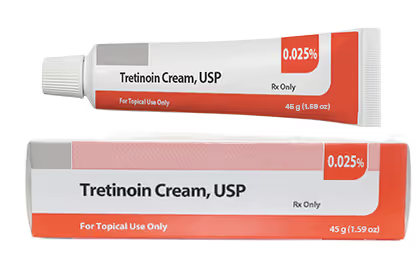
We offer the full range of effective acne treatments, from prescription topicals like Tretinoin to oral medications including Doxycycline, Spironolactone, and both regular and better-absorbed versions of isotretinoin. Our providers manage your entire treatment online with regular check-ins to monitor your progress and make adjustments as needed.
Whether you're just starting treatment or in the middle of a difficult purge, our team can provide guidance, reassurance, and modifications to help you reach clear skin with minimal discomfort. Your path to clearer skin may include some bumps along the way, but with expert support and the right treatment plan, the temporary challenge of purging leads to lasting results.
The Light at the End of the Tunnel
Acne purging is frustrating, but it's often a sign that your treatment is working. The pimples surfacing now were already developing beneath your skin; your medication is simply bringing them to the surface faster so you can clear them out and move forward.
Remember that purging is temporary. The vast majority of people who push through this initial phase go on to experience significantly clearer skin. The breakouts that feel overwhelming now represent your skin clearing out its backlog of congestion.
Stay consistent with your treatment, be gentle with your skin, and give the process time. If you're unsure whether what you're experiencing is normal or if you need additional support, professional guidance can make all the difference. With patience and expert care, clear skin is within reach.