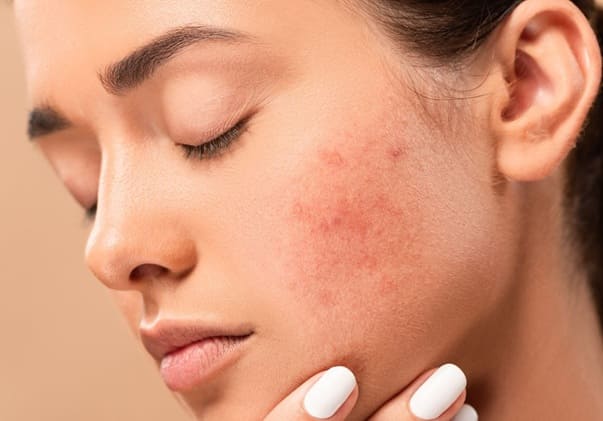

Antibiotics have been a cornerstone of acne treatment for decades, offering relief to millions struggling with persistent breakouts. However, their role in modern acne therapy has evolved significantly. While antibiotics for acne remain valuable tools, understanding when and how to use them properly is crucial for achieving clear skin while minimizing the risk of antibiotic resistance and maximizing long-term results.
At Honeydew, we recognize that navigating acne treatment options can be confusing, especially when it comes to determining whether antibiotics are right for you. This guide will help you understand the evidence behind acne antibiotics, when they should be considered, and why they work best as part of a comprehensive treatment approach.
Understanding How Antibiotics Work for Acne
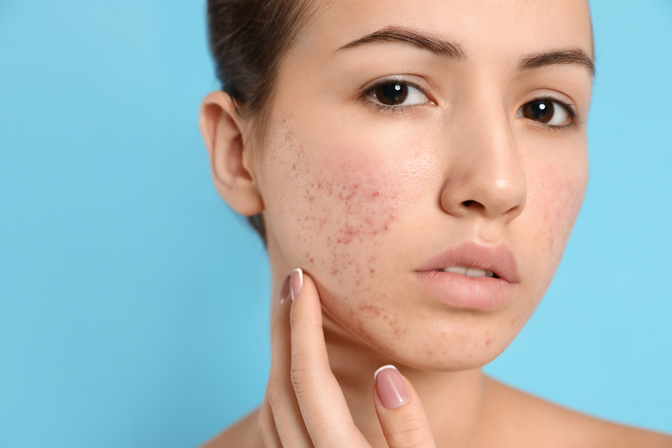
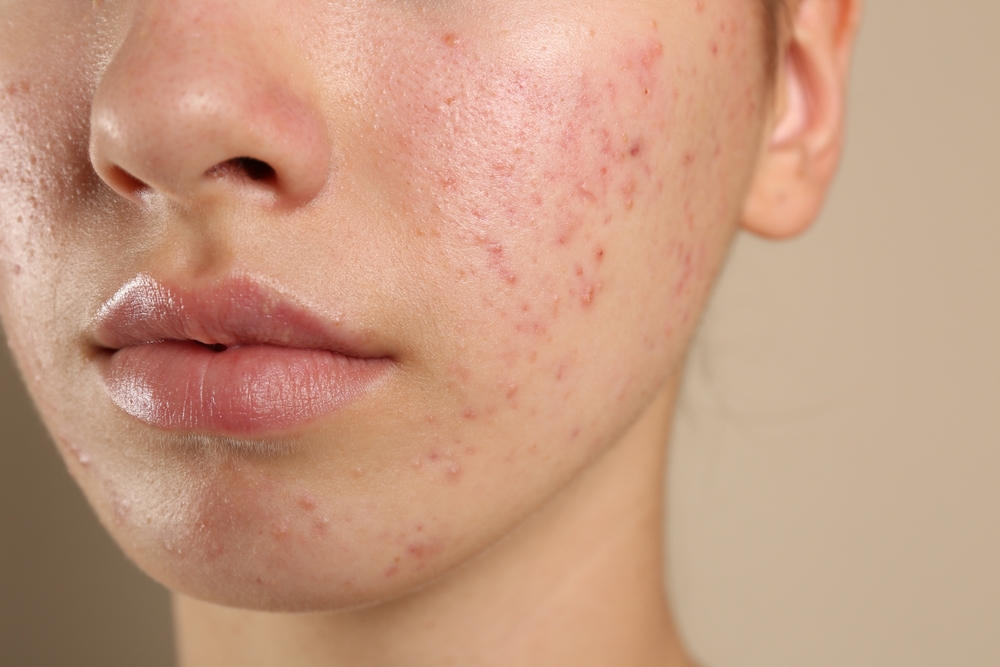
Antibiotics treat acne through two primary mechanisms: they reduce the population of Cutibacterium acnes (P. acnes) bacteria on the skin, and they exert anti-inflammatory effects that calm redness and swelling. This dual action makes them particularly effective for inflammatory acne characterized by papules, pustules, and cysts.
Both oral and topical antibiotics are available. Oral antibiotics work systemically throughout the body, while topical antibiotics are applied directly to the skin. Research shows that oral and topical antibiotics have comparable efficacy for inflammatory lesions. However, both have less effect on noninflammatory lesions like blackheads and whiteheads, which means they are not comprehensive solutions on their own.
When Are Oral Antibiotics Needed for Acne?
For moderate to severe acne, oral antibiotics may be needed to reduce bacteria and inflammation. The decision to prescribe oral antibiotics typically depends on the extent and severity of your acne, how much inflammation is present, and whether topical treatments alone have been insufficient.
Usually the first choice for treating acne is a tetracycline, such as minocycline or doxycycline. Among oral antibiotics, doxycycline consistently ranks among the most effective options for reducing both total lesion counts and inflammatory lesion counts. A macrolide antibiotic like erythromycin or azithromycin might be an option for people who can't take tetracyclines, including pregnant women and children under 8 years old.
The Critical Limitation: Antibiotics Should Not Be Used Alone
One of the most important principles in modern acne treatment is this: oral and topical antibiotics should not be used as monotherapy. The evidence is clear that antibiotic monotherapies are generally less effective than other therapies for reducing total lesion count. More importantly, using antibiotics alone increases the risk of bacterial resistance developing, which can render these medications ineffective over time.
Research published in the National Institutes of Health journal confirms that monotherapies of antibiotics alone were similarly less effective for inflammatory lesion counts compared to combination approaches. Regarding noninflammatory lesions, all topical retinoids ranked better than any of the oral or topical antibiotics. In fact, a topical retinoid monotherapy was significantly better than a topical or oral antibiotic monotherapy in reducing noninflammatory lesion counts.
For noninflammatory lesions, oral antibiotics alone are inadequate treatments. This means that if your acne includes blackheads and whiteheads in addition to inflamed pimples, antibiotics by themselves will leave much of your acne untreated.
The Power of Combination Therapy
The solution to these limitations is combination therapy. When antibiotics are paired with other acne-fighting medications, their effectiveness increases dramatically while the risk of resistance decreases.
Dual Therapy Options
The combination of a topical retinoid and benzoyl peroxide (BPO) is at least equally effective as an oral antibiotic with a topical retinoid in reducing inflammatory lesion counts. Various dual therapies with any 2 of antibiotics (oral or topical), topical retinoid, and BPO were among the top of the list for inflammatory lesion count.
For topical antibiotics, the addition of BPO significantly boosts efficacy. Topical clindamycin alone was less effective than other antibiotics for total lesion count, but the addition of BPO significantly boosted its efficacy. Research shows that topical clindamycin with topical adapalene is equally as effective as the topical adapalene with BPO combination, and topical clindamycin with azelaic acid (AA) is equally as effective as the topical adapalene with BPO combination.
Triple Therapy: Antibiotics, Benzoyl, And Retinoids
For patients seeking maximum results, triple therapy represents the gold standard. Combination therapies consisting of an oral or topical antibiotic, topical retinoid, and BPO are among the most effective pharmacological interventions in acne vulgaris.
The research shows that triple therapy containing a topical antibiotic, a topical retinoid, and BPO was the second most effective treatment for total lesion count. Triple therapy containing an oral antibiotic, a topical retinoid, and BPO was the third most effective treatment for total lesion count. These combinations also ranked at the top for both inflammatory and noninflammatory lesions.
Topical antibiotics plus AA ranked as the second most effective intervention for inflammatory lesion counts. For noninflammatory lesions, oral antibiotics with topical retinoid and BPO ranked among the top 3 interventions, as did topical antibiotics with topical retinoid and BPO.
Triple-therapy with an oral or topical antibiotic, a topical retinoid, and BPO is even more effective in reducing total lesion counts compared with the dual therapy of a topical retinoid with BPO alone.
Specific Antibiotics: What the Research Shows
Not all antibiotics perform equally. Understanding which antibiotics have the strongest evidence can help guide treatment decisions.
Most Effective Oral Antibiotics For Acne
Among oral antibiotics, doxycycline ranked the highest for inflammatory lesion count and ranked among the top for total lesion count. Oral minocycline also ranked among the top for total lesion count. These antibiotics are typically prescribed as first-line options.
Topical Antibiotics with Combination Partners
For topical antibiotics, effectiveness increases substantially when combined with other agents. In sensitivity analyses excluding low-quality studies, the combination of nadifloxacin and BPO appeared among the best options for reducing total lesion count and ranked second for reducing inflammatory lesion count.
Antibiotics That Did Not Show Significant Superiority
Several antibiotics did not demonstrate significant superiority when compared with placebo. Topical nadifloxacin alone did not demonstrate significant superiority compared with placebo for total lesion count or for noninflammatory lesions. Oral sarecycline, topical minocycline, oral azithromycin, oral minocycline, and oral lymecycline did not demonstrate significant superiority compared with placebo for noninflammatory lesions.
This underscores why combination therapy is essential: even when antibiotics effectively reduce inflammation and bacteria, they need partners that target the clogged pores and abnormal skin cell turnover that drive acne.
How to Use Antibiotics Safely and Effectively
When antibiotics are prescribed as part of your acne treatment, following best practices ensures you get the best results while minimizing risks.
Always Combine with Other Treatments
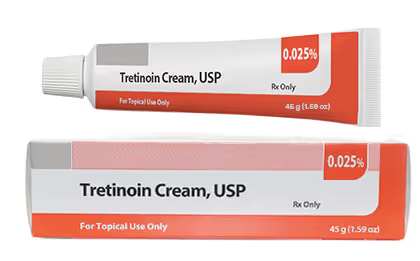
Never use antibiotics as your only acne treatment. Oral and topical antibiotics alone should be avoided due to limited effectiveness and resistance concerns. Always pair antibiotics with at least one other active ingredient, such as a topical retinoid like tretinoin or benzoyl peroxide.
Use for the Shortest Effective Duration
Antibiotics should be prescribed for the shortest effective duration. Most dermatologists recommend limiting oral antibiotic use to three to six months whenever possible. Your provider should have a clear plan for transitioning you to maintenance therapy that does not rely on antibiotics.
Follow Your Complete Regimen
Taking your oral antibiotic consistently while also applying your topical medications as prescribed is crucial. Skipping doses or only using part of your regimen reduces effectiveness and increases the risk of developing resistant bacteria.
Alternatives and Adjuncts to Antibiotic Therapy
For many patients, especially those with persistent acne or concerns about antibiotic use, other treatment options may be more appropriate.
Isotretinoin: The Most Effective Option
Oral isotretinoin (found in brands like Accutane and Absorica) is highly effective for any type of acne, especially persistent acne. As the only treatment that targets all four major acne-causing factors, it often provides long-lasting results without the concern of bacterial resistance. At Honeydew, we specialize in personalized isotretinoin regimens, including innovative low-dose Accutane approaches that can minimize side effects while still achieving excellent outcomes.
Hormonal Therapies
For women with hormonal acne, spironolactone offers an alternative that addresses the root cause by blocking androgen hormones. Many women find that hormonal therapy provides lasting control without the need for antibiotics.
Retinoid-Based Regimens
Since topical retinoids are more effective than antibiotics for noninflammatory lesions and have comparable effects on inflammatory lesions when used in combination therapy, retinoid-centered regimens often provide comprehensive acne control without antibiotics.
Your Personalized Approach at Honeydew
Determining whether antibiotics are right for your acne can be complex. If you're currently using antibiotics alone or have concerns about antibiotic resistance, we can help you transition to a more effective, comprehensive treatment plan.
Honeydew offers the most personalized treatments available to maximize results while minimizing side effects. Our providers can manage, adjust, and recommend treatments completely online to make sure you get the results you're looking for. Whether that means creating a triple-therapy regimen with doxycycline, designing a custom-compounded medication that combines multiple active ingredients in one formula, or transitioning you to isotretinoin for long-term control, we tailor every aspect of your care to your unique skin and goals.
We also offer Duricef and most other FDA-approved treatments for acne, giving us the flexibility to find the right combination for you. Our comprehensive approach includes not just prescription medications but also guidance on cleansers, moisturizers, and other products that support your treatment plan.
The path to clear skin doesn't have to involve guesswork or ineffective single-medication approaches. With expert guidance and evidence-based combination therapy, you can achieve the clear, healthy skin you deserve while using antibiotics responsibly when they're truly needed. Learn more about how Honeydew can create a personalized acne treatment plan for you.